日本語 / English
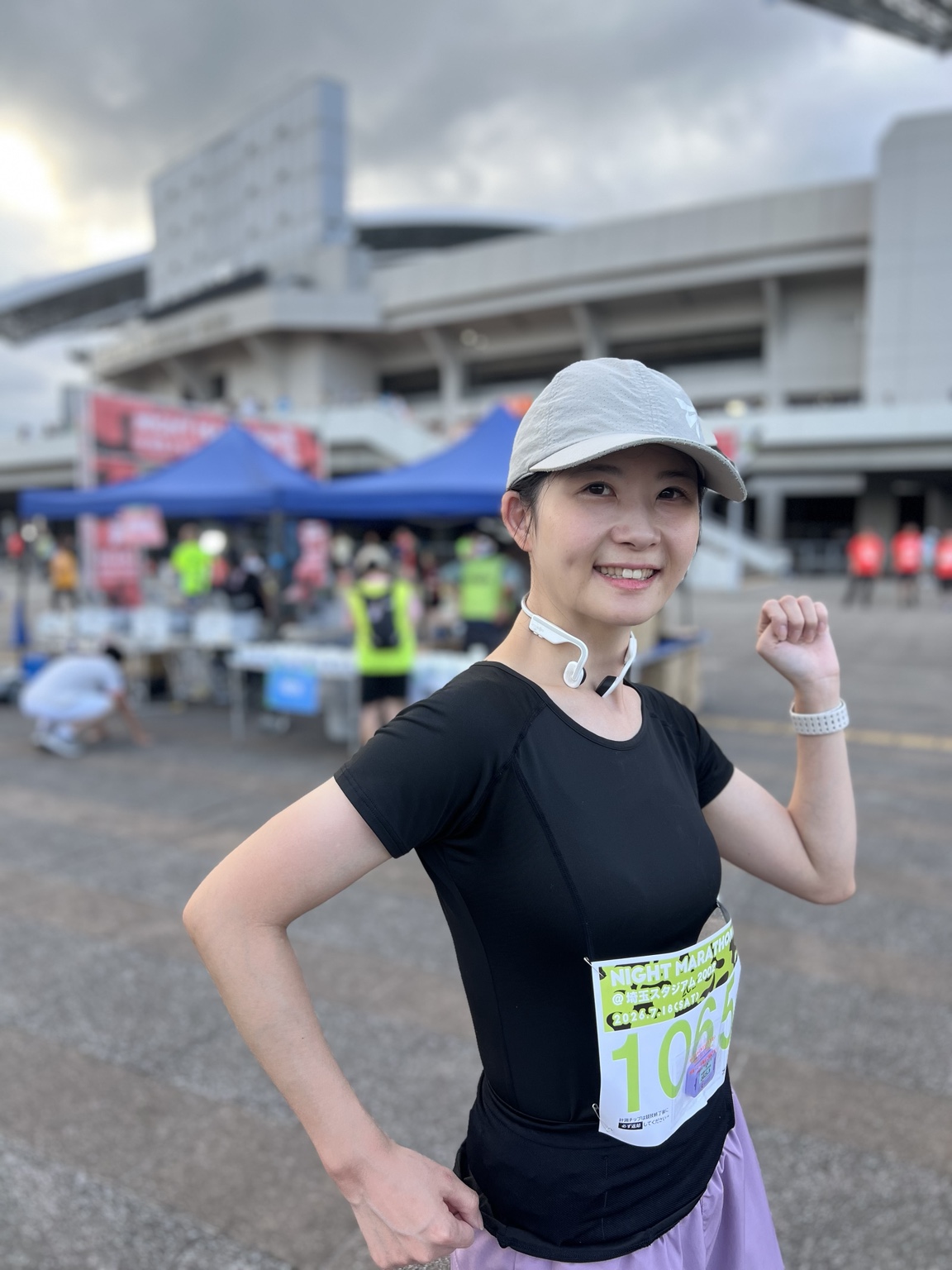
I stopped my full marathon at 30 km, four hours after starting. In a half marathon, I stopped at 18 km after two hours and 15 minutes. Neither was a finish.
Before another attempt, I want to turn those experiences into more useful preparation. Training matters, but I also wish I had thought more carefully about food, what I carried, and the event’s time limits.
These are personal reflections from a runner still working towards a finish, rather than a proven plan for completing a marathon.
Two races I did not finish
Full marathon: stopped at 30 km after 4 hours.
Half marathon: stopped at 18 km after 2 hours 15 minutes. These are stopping points and elapsed times, not finish times.
1. Plan food and fuel before race day
I felt as though I ran out of energy after eating too little. Running without carrying anything also left me thinking I should have prepared differently.
That does not establish food as the sole reason I stopped. It is one part of my preparation I want to revisit. Next time, I want to consider meals and what to carry during training, rather than deciding everything on the day.
2. Test what you carry while actually running
Putting things in my pockets seemed simple, but they bounced when I ran. Fitting into a pocket and feeling comfortable there are different things.
For my next event, I want to try the actual load in training and check both movement and access. I do not want to solve every problem by buying more gear.
I have written separately about a vest I use for ordinary runs: my Salomon ADV SKIN 12 review, including fit and whether 12 litres is more than you need. It is a gear review, not a claim that the vest will prevent a DNF.
3. Include the small inconveniences
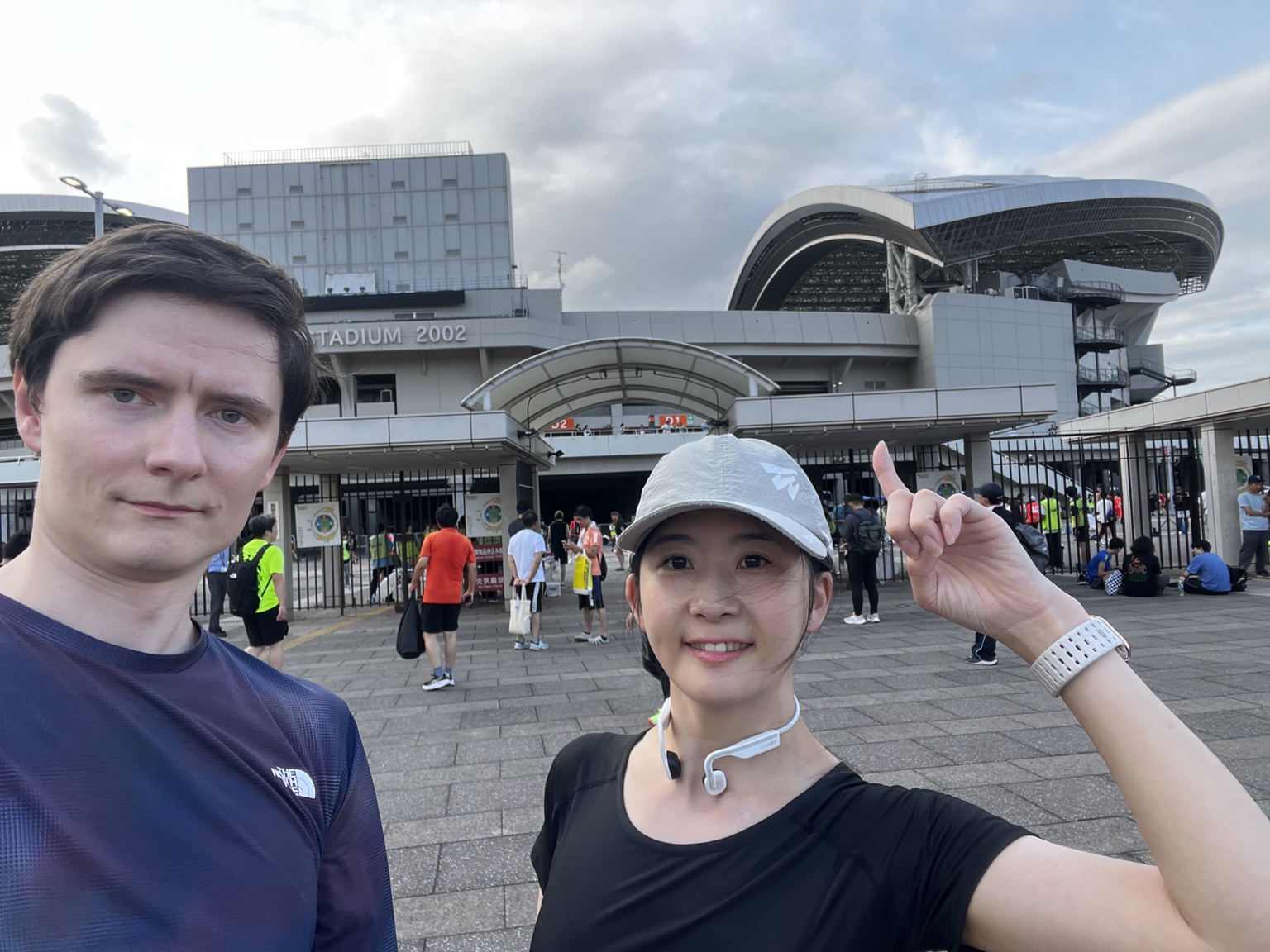
A runny nose was another thing I remember. I had thought about larger items, but not as much about small annoyances like this.
Next time I want to consider whether to carry tissues, where to put them, and whether I can reach them easily. A useful checklist should reflect what actually bothered me.
4. Compare the cut-offs with your preparation
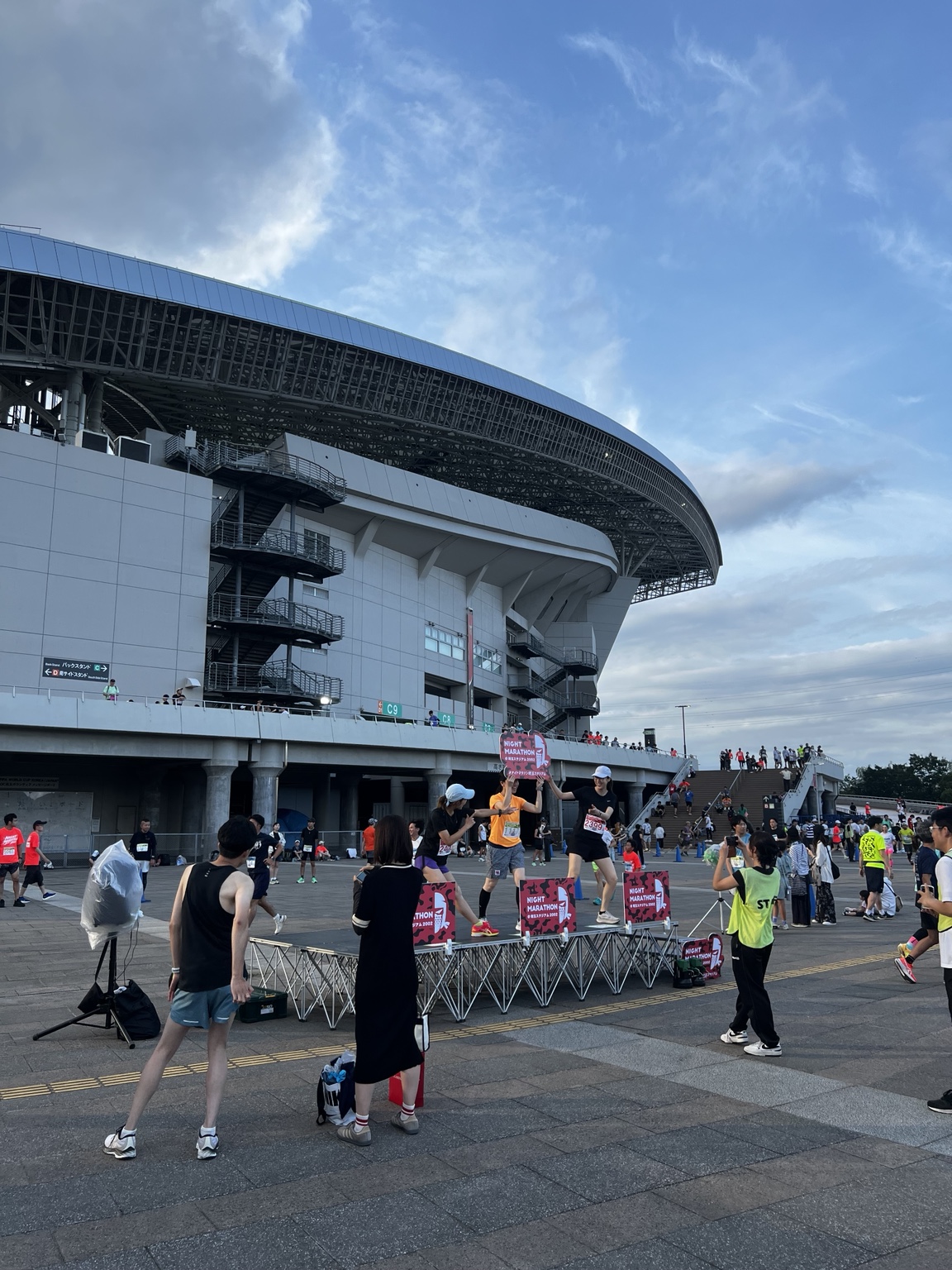
I found a race with a four-and-a-half-hour limit difficult without enough training. That limit belongs to an event I experienced; it is not a rule for all races.
Before another start, I want to read the participant guide for the total time limit, intermediate cut-offs and how the clock is measured. Then I can compare those conditions with my own training, rather than entering on enthusiasm alone.
5. Decide how to start before the excitement takes over
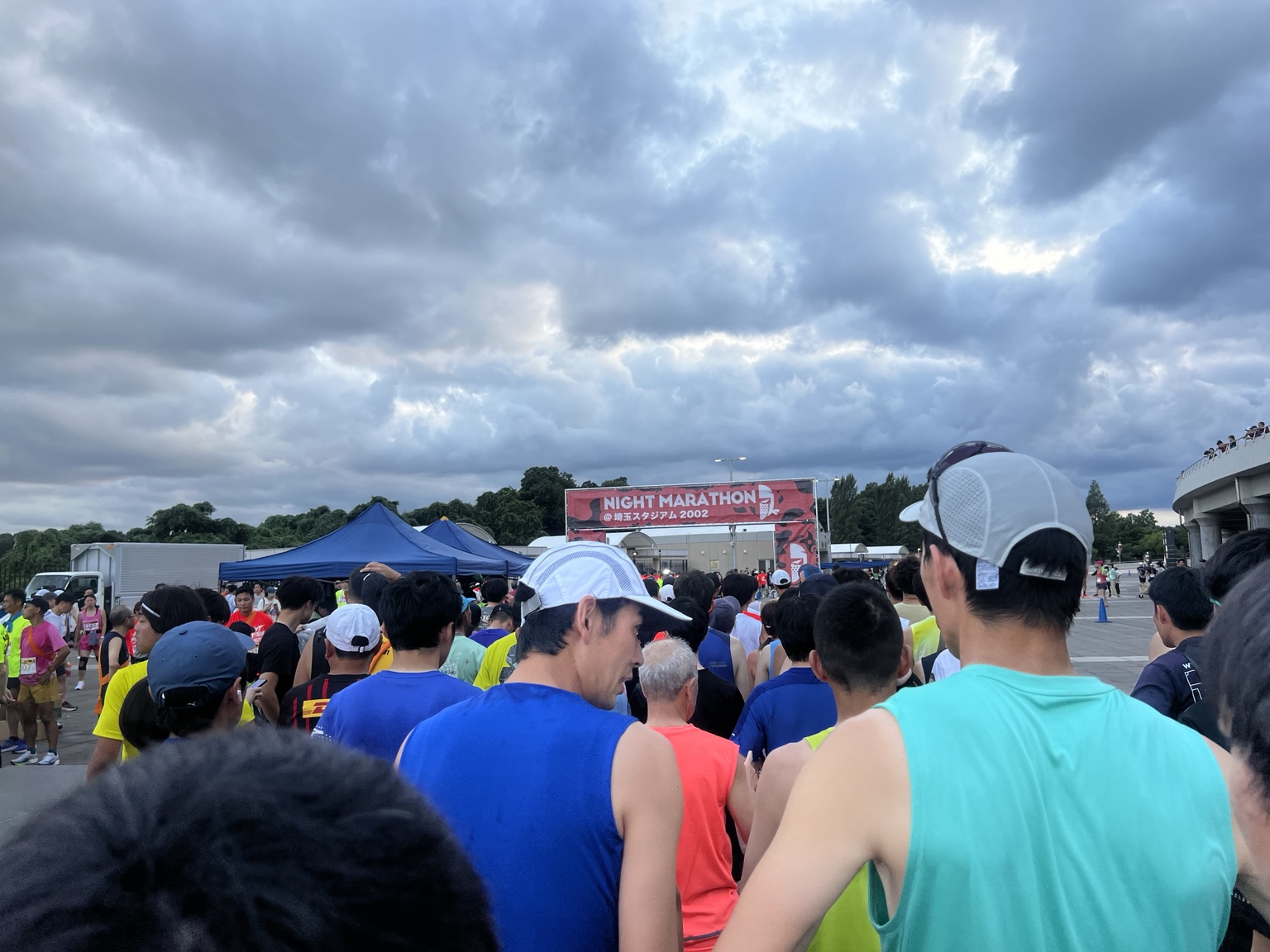
Starting too fast is something I want to avoid next time. I want to choose an opening pace based on my training, the distance and the event’s conditions, instead of letting the atmosphere decide for me.
I am not giving a target pace here: that decision still needs to match the race and my preparation.
6. Check the small details as well as shoes
I want to check my shoes, clothing, toenails and smaller items ahead of the next event. I am not saying my toenails caused either DNF. This is about leaving enough time to notice details before race day.
Before buying more running gear
The questions below are planning prompts, not a comparison based on testing every type of running belt or vest.
- If your existing pockets hold everything securely, check whether you need another carrying system at all.
- If you only carry small essentials, compare their size and movement with the storage you already have.
- If you need to carry drinks and more items, compare capacity and fit with your actual load. Check the event’s equipment rules before choosing.
For the option I have personally used, read the ADV SKIN 12 fit and everyday-use review. Its shopping section identifies Japanese-store links; outside Japan, compare suitable local retailers and delivery terms.
My checklist for the next attempt
- Think about meals and fuel before the day.
- Run with the items I plan to carry.
- Check bouncing and access, not just storage capacity.
- Prepare for the small problems I experienced.
- Read the time limits and intermediate cut-offs.
- Choose an opening pace based on my own preparation.
- Check shoes, clothes, toenails and small essentials ahead of time.
Not finishing was disappointing, but the experience can still help me prepare. Alongside running practice, I want to make the practical parts of race day feel less improvised.
Leave a Reply