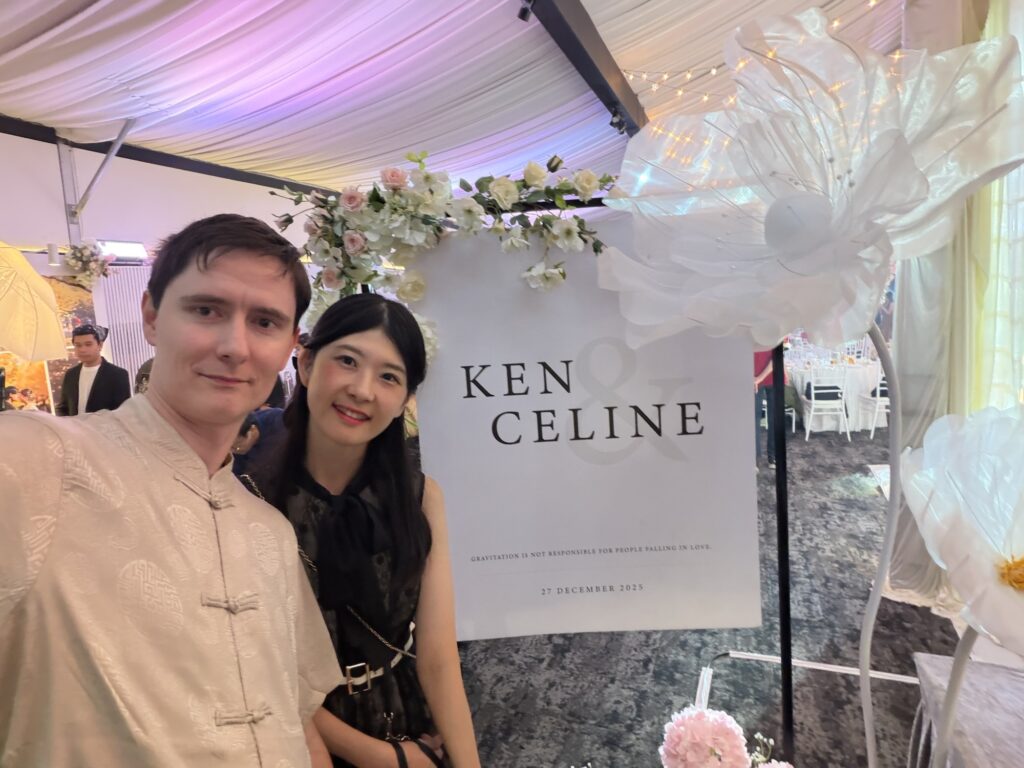
When people hear “Malaysian wedding,” they often imagine one single style.
But Malaysia is multicultural, and the wedding I experienced was specifically a Chinese Malaysian wedding, which carries many traditions rooted in Chinese culture.
That means some of the biggest differences I noticed were not simply Malaysia vs Japan — but more accurately Chinese cultural wedding traditions in Malaysia vs Japanese wedding traditions.
That distinction matters.
1. It Was Chinese Cultural Tradition in a Malaysian Setting
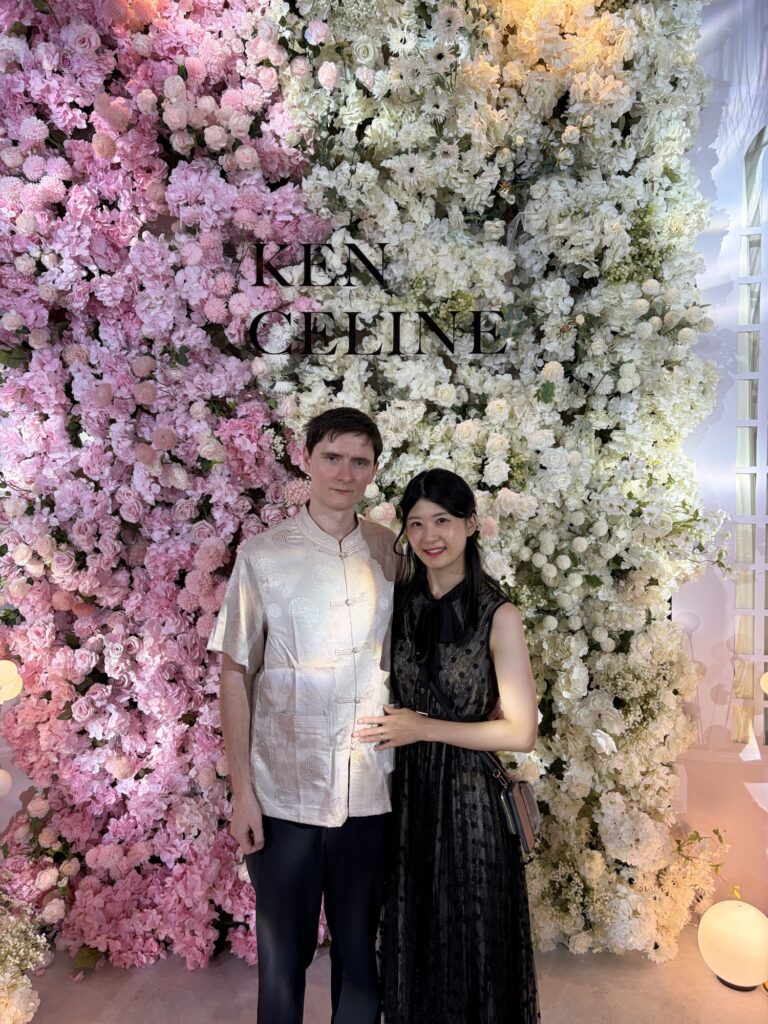
The wedding took place in Malaysia, but many customs reflected Chinese heritage.
Examples included:
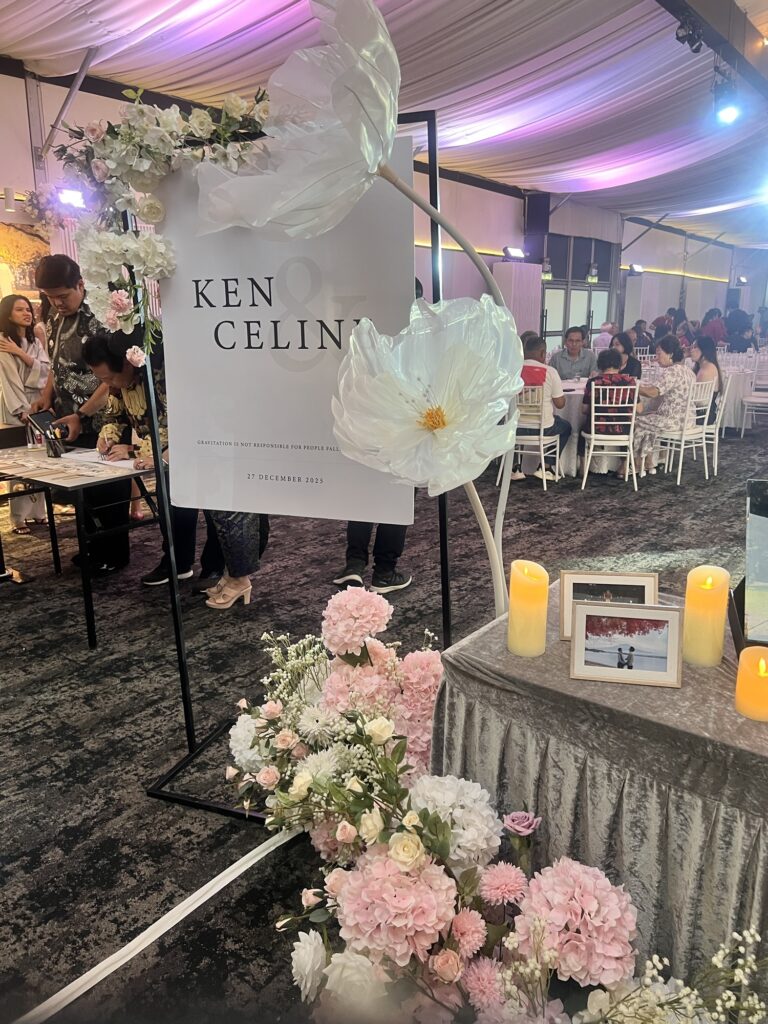
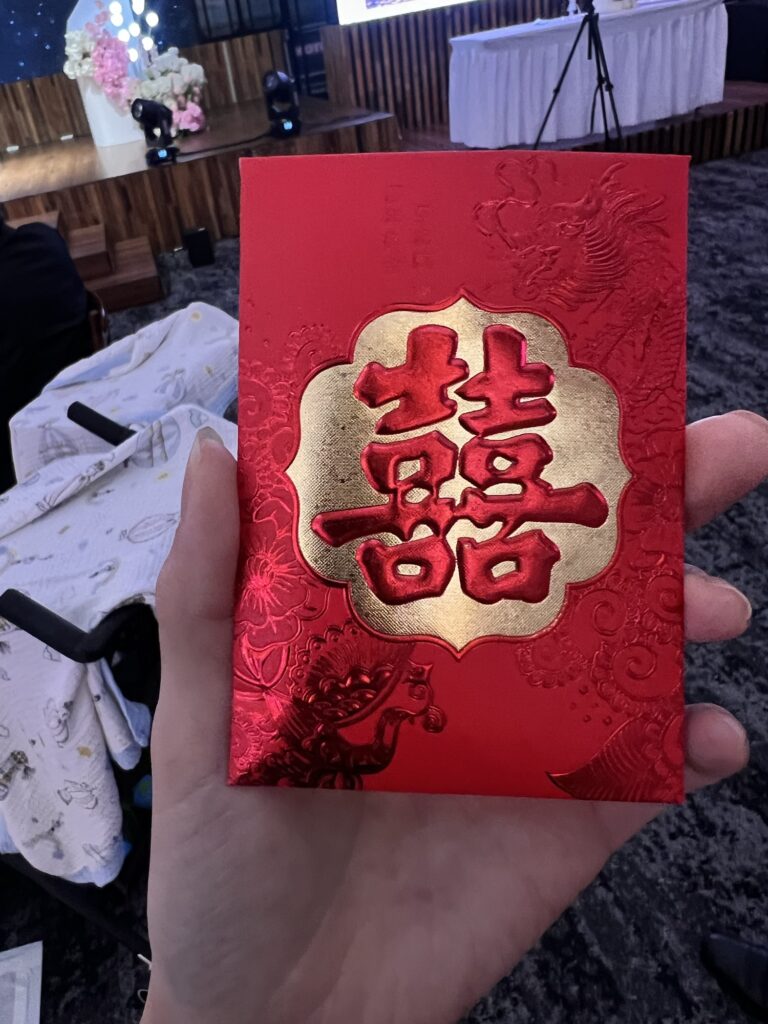
• Red decorations symbolizing luck
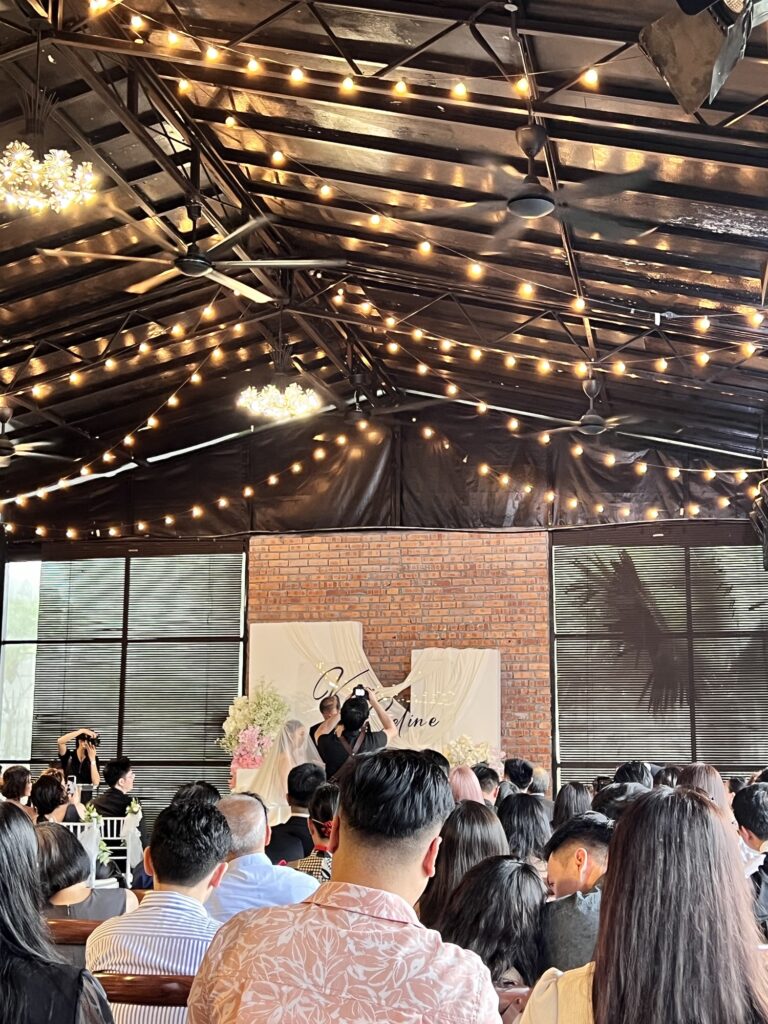
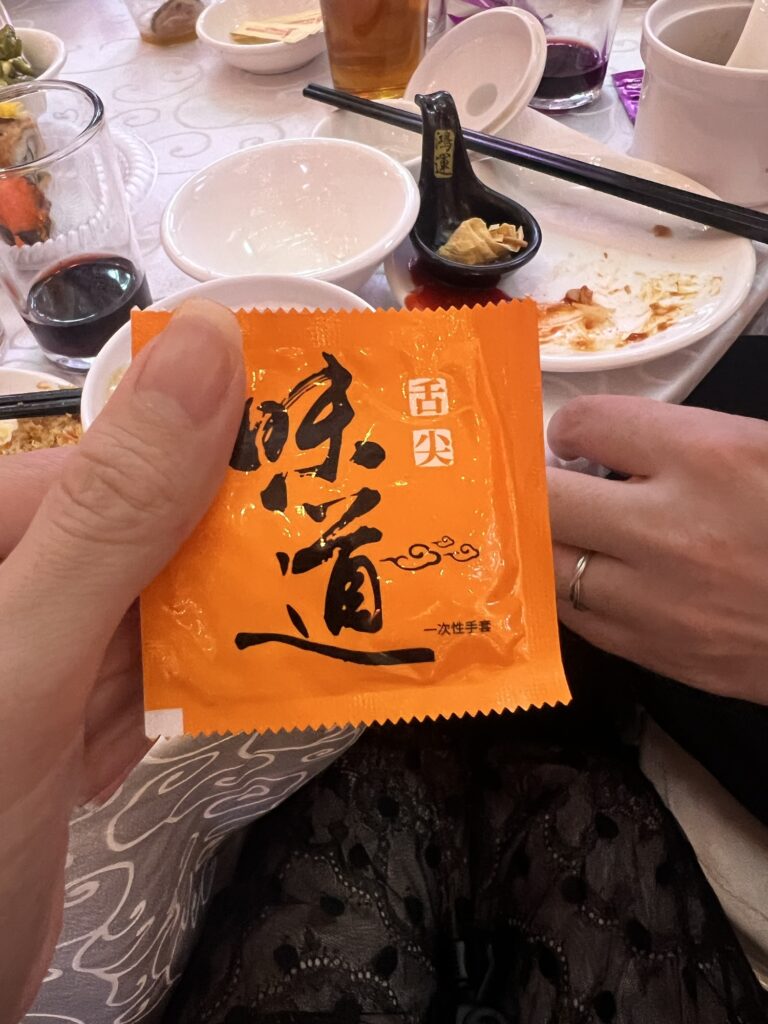
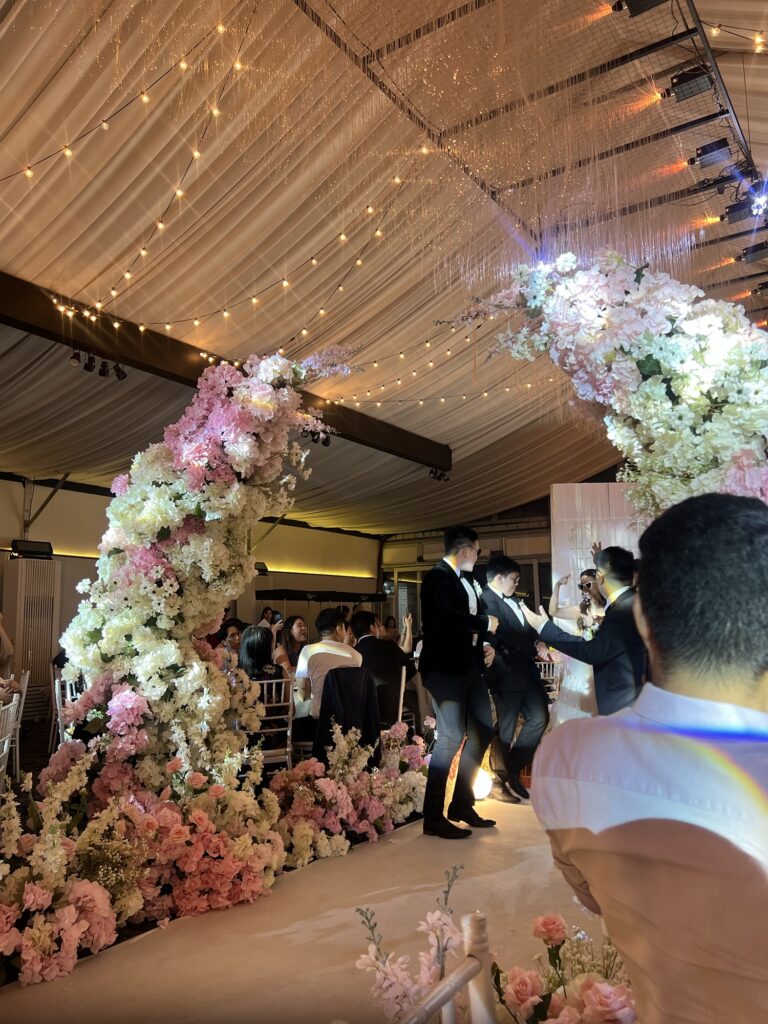
• Banquet-style dining
• Tea ceremony traditions
• Family-centered rituals
• Red packet gifting culture
It was a beautiful blend of Chinese tradition shaped by modern Malaysian society.
2. Japanese Weddings Feel More Minimal and Structured
Compared with the vibrant banquet atmosphere, many Japanese weddings feel:
• Elegant
• Precise
• Calm
• Highly scheduled
• Detail-oriented
The contrast was fascinating.
One celebrated abundance and collective joy.
The other celebrated harmony and refined hospitality.
3. Tea Ceremony vs Japanese Formality
One of the most memorable moments in the Chinese Malaysian wedding was the tea ceremony.
Serving tea to elders represents gratitude and respect.
Japanese weddings often emphasize:
• Formal greetings
• Speeches
• Ceremony flow
• Symbolic rituals in Shinto or chapel settings
Both value respect—but show it differently.
4. Community Energy vs Quiet Elegance
Chinese Malaysian weddings can feel energetic and social:
• Round banquet tables
• Shared dishes
• Lively conversation
• Bigger communal atmosphere
Japanese weddings often feel more intimate and choreographed.
5. Why Saying “Malaysia Wedding” Isn’t Enough
Malaysia is made up of Malay, Chinese, Indian, and many other communities.
So saying “Malaysian wedding” can miss important cultural nuance.
A Malay Muslim wedding, Indian Malaysian wedding, and Chinese Malaysian wedding can all look very different.
That diversity is one of Malaysia’s most fascinating strengths.
6. Love Crosses Culture
Even with different customs, the emotions were universal:
• Proud parents
• Nervous couple
• Happy guests
• Excitement for the future
That part needs no translation.
Final Thoughts
What I witnessed was not just a Malaysian wedding, but a Chinese cultural celebration in Malaysia.
Understanding that made me appreciate both the richness of Malaysia and the beauty of preserving heritage across generations.
And comparing it with Japan reminded me:
Different traditions, same human joy.
Leave a Reply