カテゴリー: Travel✈️

  • ✈️ Cambodia Travel Requirements 2026: Complete Pre-Trip Checklist + Must-Have Apps & Essentials

    Traveling to Cambodia in 2026? Whether you’re planning to explore Angkor Wat, relax on Koh Rong beaches, or discover Phnom Penh city culture, this Cambodia travel guide gives you a complete pre-trip checklist for a smooth journey.

    Cambodia Travel Requirements

    Visa & Entry Guide

    Essential Travel Apps

    Health & Safety Tips (Mosquito Protection!)

    Most Popular Pre-Trip Checklist

    Let’s dive in!

    🛂 Cambodia Travel Requirements 2026: Visa & Entry Rules

    Before traveling to Cambodia, you must know Cambodia travel requirements for entry.

    📌 Passport Validity

    ✔ Your passport must be valid for at least 6 months from your arrival date.

    🧾 Visa Options for Cambodia

    Cambodia requires most international visitors to have a visa before entry. You can choose:

    1. e-Visa (Online) – Fastest way to secure your visa before departure.

    2. Visa on Arrival – Available at major airports and land borders.

    3. Embassy Visa – Apply in advance at Cambodian embassies.

    💡 Travel tip: Applying for an e-Visa before you fly saves time at immigration and simplifies the arrival process.

    📱 Best Travel Apps for Cambodia (Must-Have!)

    Using the right apps can make your Cambodia trip easier and safer. These are the most useful travel apps Cambodia travelers use:

    🗺️ 1. Cambodia e-Arrival Card

    Complete the Cambodia e-Arrival Card online before landing — this replaces the paper arrival card and speeds up immigration.

    Pro tip: Fill it out 3-7 days before arrival.

    🚕 2. Grab – Popular Ride App

    “Grab” is widely used in Phnom Penh and Siem Reap for rides, tuk-tuks, and city travel.

    💱 3. Currency & Translation Apps

    Currency Converter – Cambodia uses US dollars + Cambodian Riel.

    Google Translate – Useful for communicating with locals.

    Installing travel apps before departure ensures you’re prepared and connected the moment you land.

    🦟 Health & Safety Tips for Cambodia Travel

    🪰 Mosquito Repellent: An Absolute Must

    One of the most important Cambodia travel tips is mosquito protection. Cambodia has mosquitoes that can carry dengue, malaria, and other diseases — especially outside city centers.

    Pack these:

    • Strong insect repellent (DEET or picaridin)

    • Permethrin-treated clothing

    • Portable mosquito net (for rural stays)

    SEO Tip: Many travelers search “what to pack for Cambodia travel” — make sure mosquito spray is at the top of your list!

    💉 Recommended Vaccinations & Health Prep

    Cambodia does not require specific vaccinations for entry, but travel health experts recommend:

    • Hepatitis A & B

    • Typhoid

    • Tetanus

    • Japanese Encephalitis (for long rural visits)

    Visit a travel clinic 4–8 weeks before departure for personalized advice.

    📋 Ultimate Cambodia Travel Checklist

    To help you prepare, here’s a quick pre-departure Cambodia checklist you can save or print:

    ✈️ Before You Go

    ✔ Passport (valid 6+ months)

    ✔ Cambodia e-Visa approval PDF

    ✔ e-Arrival Card completed

    ✔ Travel insurance (recommended)

    ✔ Confirm flights & hotel bookings

    ✔ Download travel apps (Grab, e-Arrival, maps)

    🧳 What to Pack

    ✔ Mosquito repellent spray

    ✔ First-aid kit & medication

    ✔ Power adapter + charger

    ✔ Cash in US dollars (small bills)

    📱 Tech & Safety

    ✔ Offline maps saved

    ✔ Emergency phone numbers

    ✔ Embassy contact info

    Organizing these steps before travel helps reduce stress and keeps your focus on enjoying Cambodia!

    🌍 Final Tips Before Traveling to Cambodia

    Cash is widely used: US dollars are accepted almost everywhere.

    Safety first: Keep valuables safe in busy markets.

    Stay updated: Check travel advisories before departure.

    By following this Cambodia travel preparation guide, you’ll be well-prepared and informed — ready to enjoy ancient temples, vibrant culture, and beautiful landscapes.

    Have a safe and unforgettable trip to Cambodia! 🇰🇭✨

    📌 Want a Printable Version?

    Reply “Printable Cambodia Checklist” and I’ll format this into a downloadable PDF for your trip!

    Keywords: Cambodia travel requirements, Cambodia visa guide, travel to Cambodia, Cambodia travel checklist, what to prepare for Cambodia, mosquito repellent Cambodia, best travel apps Cambodia

  • Day 1 in Cambodia: Jungle Hotels, Street Food, and the Buzz of Pub Street

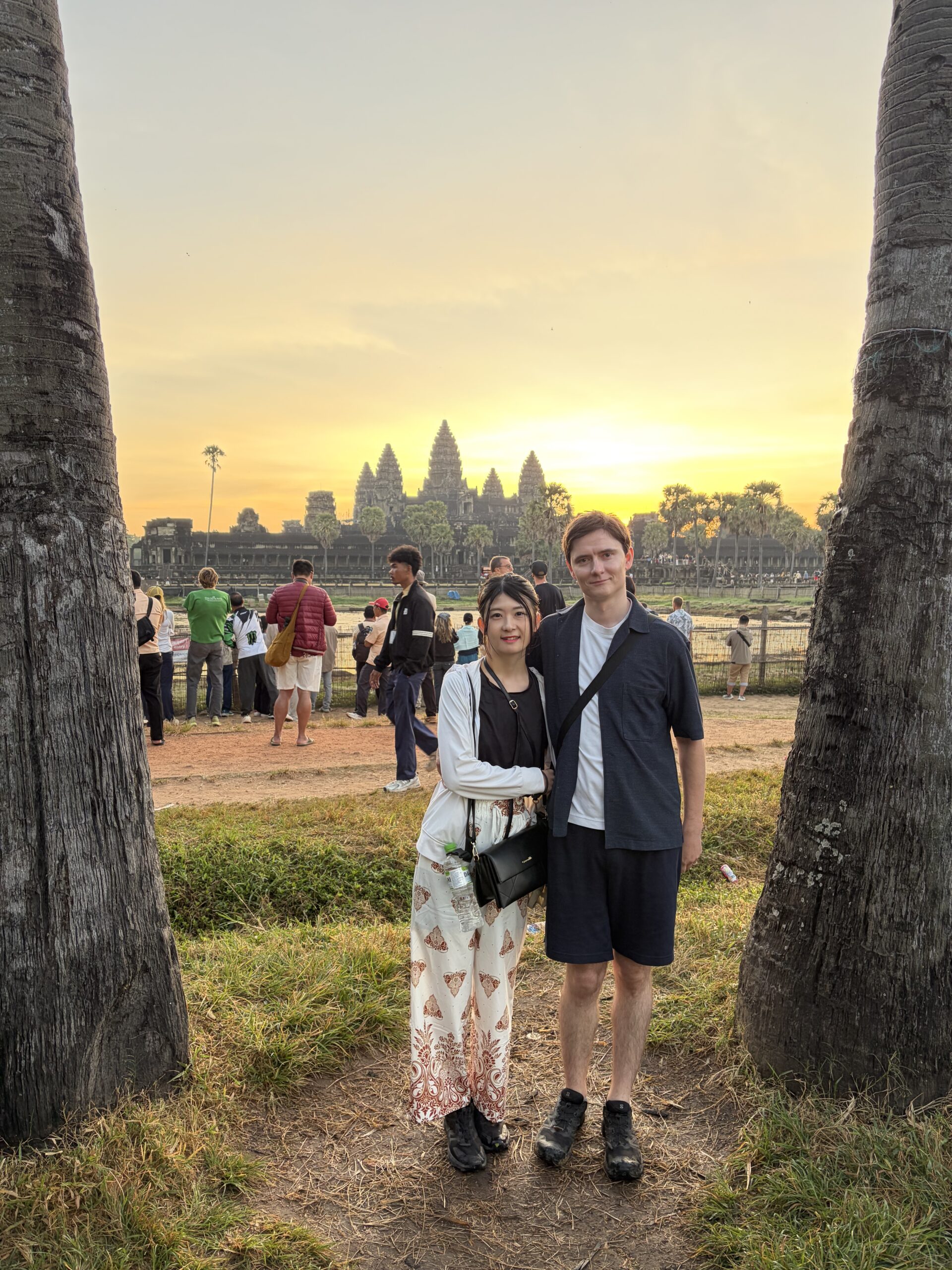
    I’ve finally arrived in Cambodia!

    Our hotel is tucked away a little off the main road, surrounded by lush greenery—it feels like a hidden jungle retreat. The mosquito net over the bed adds a charming touch, and I was honestly surprised to see a full water tank right in the hotel grounds.

    Eager to explore, I stepped out and tried some local street food. The amok and fresh mango juice were absolutely delicious! I also noticed quite a few dogs roaming the streets freely—it adds a bit of character to the city.

    Later, I visited Pub Street, which was buzzing with tourists. The vibe is lively and colorful, very different from quieter local areas. My taxi driver mentioned that there aren’t many Japanese tourists here compared to English-speaking visitors—and I can see why, given the population and visitor stats.

    Tomorrow is the highlight of the trip: Angkor Wat! I’ll be getting up early, so for now, it’s goodnight.

  • Where to visit in Kochi🐟

    A Friendly Guide to Japan’s Lively Southern Prefecture

    Kochi is one of Japan’s most relaxed and welcoming prefectures, known for its dramatic nature, deep samurai history, and incredible food culture. Even if you’ve traveled around Japan before, Kochi feels refreshingly different. open, sunny, and full of local charm.

    Here are the must-visit spots and local experiences that will make your trip unforgettable.

    🏯 1. Kochi Castle – One of Japan’s 12 Original Castles

    Kochi Castle is worth a visit even if you’ve been to Matsuyama Castle.

    It’s the only castle in Japan where the entire central keep area remains intact, letting you experience an authentic Edo-period atmosphere.

    Compact, beautiful, and right in the city center great for photos and an easy historical stop.

    https://maps.app.goo.gl/Fqk19JfRBZcoepws6?g_st=ic

    🐟 2. Try “Warayaki” Bonito Tataki (Straw-Fired Seared Fish)

    This is the signature experience in Kochi.

    Bonito fish is seared with a huge flame made from burning straw, creating a smoky aroma you can’t get anywhere else.

    Some restaurants let you watch the dramatic flame show, and others even let you try making it yourself.

    A must-eat.

    https://www.tataki.co.jp/en/index.html

    🍺 3. Hirome Market – Lively Local Food Hall

    Hirome Market is a vibrant food hall where locals and travelers share long tables, drink beer, and enjoy Kochi’s specialties.

    Try bonito tataki, gyoza, tempura, or anything that catches your eye.

    It’s casual, loud, friendly and the best way to feel Kochi’s personality.

    https://maps.app.goo.gl/v5bNigrkqN3iVgqM6?g_st=ic

    🌿 4. Sunday Market (If You’re There on Sunday Morning)

    If your trip includes Sunday morning, don’t miss the 300-year-old street market stretching over 1km.

    Fresh produce, local snacks, handmade crafts—perfect for wandering.

    (If you arrive Sunday night, it’s still good to know for future trips!)

    https://www.city.kochi.kochi.jp/soshiki/5/translation-service.html

    🌊 5. Katsurahama Beach & Sakamoto Ryoma Statue

    Katsurahama is a beautiful beach located in Kochi City, Kochi Prefecture, overlooking Tosa Bay.

    It is also known as a “famous spot for the moon,” where the moonlight reflects on the sea during full-moon nights, creating a magical scenery.

    Katsurahama is famous as a tourist destination for the Sakamoto Ryoma statue, attracting history enthusiasts as well.

    With its stunning coastal views and historical significance, Katsurahama is one of Kochi’s most iconic attractions.

    Beautiful at sunset great spot for photos.

    https://maps.app.goo.gl/RsqDxRbP93qghAqJ9?g_st=ic

    🐳 6. Whale Watching (Seasonal)

    Kochi is one of Japan’s best places for whale watching.

    You can often see Bryde’s whales, dolphins, and sometimes even larger species.

    Tours depart from nearby harbors and are popular with nature lovers.

    https://nitarikujira.com/reservation-in-english/

    📚 7. Kochi Prefectural Museum of History

    A good stop for anyone interested in samurai culture or the Ryoma era.

    Exhibits are clear and foreign-friendly, with English explanations.

    https://visitkochijapan.com/en/see-and-do/10487

    🗡️8. Ryoma Memorial Museum

    Visiting Kochi without seeing Sakamoto Ryoma-related spots would be like visiting Kyoto without seeing Kinkaku-ji.

    Ryoma is a symbol of modern Japan, and Kochi celebrates him everywhere.

    A museum where you can learn about Sakamoto Ryoma’s life and his role in Japan’s modernization.

    • Located in Kochi City, it offers exhibits with English explanations, historical artifacts, and insights into the Edo–Meiji era.

    🍜 9. Local Foods You Should Try

    1. Seared Bonito (Katsuo Tataki)

    A Kochi signature dish: bonito seared over a straw flame for a smoky aroma.

    2. Moray Eel (Utsubo)

    Rare local seafood, often deep-fried or served as sashimi.

    3. Shimanto Eel

    Fresh eel from the Shimanto River, prized for its rich flavor.

    4. Dorome (Baby Sardines)

    Tiny fresh sardines served with ponzu and chopped green onions, a springtime specialty.

    5. Muroto Kinme Bowl

    A bowl topped with golden-eye snapper, a local coastal fish specialty.

    Perfect for seafood lovers.

    6. Sawachi Cuisine

    A giant platter of local specialties including seafood, tempura, and vegetables.

    Great for sharing with friends and experiencing a traditional feast.

    7. Country Sushi (Inaka Sushi)

    Rustic sushi made with local mountain and river ingredients.

    Sunny Mart Tosanosato Oza Branch – famous for its regional “country-style” sushi.

    8. Gomenkenka Shamo Chicken

    A local breed of chicken with firm texture and rich flavor.

    9. Shimanto Pork

    Pork raised in the Shimanto area, flavorful and tender.

    Yuing Shimanto – specializes in Shimanto pork dishes.

    10. Nabeyaki Ramen

    Hot noodle soup cooked and served in a small pot.

    Hashimoto Shokudo – try this comforting Kochi-style ramen.

    11. Chunichi Soba

    Thick, chewy buckwheat noodles served in a rich broth.

    Tosao Shoten – a local favorite for Chunichi soba.

    12. Salted Chive Fried Noodles

    Crispy fried noodles flavored with chives and salt.

    Hirosueya – famous for this simple yet addictive dish.

    13. Street Food Gyoza

    Fried dumplings sold at street stalls, perfect for a snack while walking around.

    Yatai Yasubei – popular for Kochi’s street-food-style gyoza.

    14. Potato Tempura (Imoten)

    Thinly sliced sweet potatoes fried until crispy.

    Nichiyoichi Imoten – a must-try local snack.

    15. Sweet Potato Chips (Imo kenobi)

    Crunchy and sweet snack made from local sweet potatoes.

    🎯 Summary: Why Kochi Is Worth Visiting

    Kochi is warm, relaxed, and full of character.

    You get a mix of nature, history, food, and hands-on local experiences.

    It’s especially great for visitors who want to go beyond Japan’s “classic” travel route and discover something more authentic.

  • Yudanaka & Shibu Onsen Town: A Night Stroll Through History and Light

    When we heard about the seasonal light-up event at Yudanaka and Shibu Onsen Town, we couldn’t resist taking a stroll through this historic hot spring village. What awaited us was far beyond our expectations — a magical fusion of traditional architecture, warm glowing lanterns, and the nostalgic charm that only an old onsen town can offer.

    The Town That Glows at Night

    As the sun set, the cobblestone streets came alive with soft, atmospheric lighting. It wasn’t a flashy, modern illumination — instead, the gentle glow highlighted the wooden ryokan facades, the steamy alleys, and even the natural hot spring flows that line the streets.

    Every corner felt like a scene from a Ghibli film, with locals in yukata leisurely strolling, the faint scent of onsen water in the air, and the whispers of history echoing from every building.

    Yakitori That Warms the Soul

    Of course, no evening walk would be complete without a good snack. We stumbled upon a small yakitori stand, where the smoky aroma was impossible to ignore. Grilled right in front of us, each skewer was simple yet packed with flavor, perfect for a chilly evening in the mountains. The juicy chicken, the crispy skin, and the subtle charcoal fragrance felt like the ultimate comfort food after a day of exploring.

    A Hidden Gem for Foodies and Photographers

    Whether you’re a fan of retro scenery, traditional architecture, or just looking for a unique date spot, Yudanaka and Shibu Onsen Town’s night-time charm deserves a spot on your itinerary.

    What to Expect:

    • Seasonal light-up events (check dates before visiting)

    • Classic onsen street vibes with ryokan and public baths

    • Plenty of street food including yakitori, onsen tamago, and local sweets

    • Perfect for romantic walks or photo lovers seeking nostalgic Japan

    Review Summary

    Category,Rating / Comment

    Atmosphere,★★★★★

    A perfect blend of traditional charm and magical night lights. Truly one of a kind.

    Food,★★★★☆

    The yakitori was fantastic! Plus, you’ll find hot spring eggs and local sweets everywhere.

    Accessibility,★★★★☆

    Easy to access, just a short walk from Yudanaka Station.

    Instagramability,★★★★★

    Retro streets with beautiful lighting — a dream spot for photographers.

    If you’re planning a romantic getaway or want to experience a traditional hot spring town after dark, this is the place to be. Grab your camera, wear your yukata, and follow the lights — Yudanaka and Shibu Onsen Town will steal your heart.

  • Shiga Kogen: Snowboarding at One of Japan’s Top 3 Ski Resorts

    When people think about skiing and snowboarding in Japan, places like Niseko and Hakuba often come to mind. But did you know that Japan actually has a Top 3 Ski Resorts list? One of them is Shiga Kogen, located in Nagano Prefecture—and that’s exactly where we headed for our winter getaway this year.

    Where We Boarded: Shiga Kogen Central Area

    Shiga Kogen is massive. In fact, it’s Japan’s largest ski resort, made up of 18 interconnected ski areas. With so much terrain to explore, it can be hard to choose where to start. This time, we focused on the Shiga Kogen Central Area (中央エリア), which is known for its wide variety of slopes and convenient access. You can check out more about this area here.

    The conditions were fantastic—fresh powder, plenty of space to carve, and slopes suitable for every level. Whether you’re a beginner or a seasoned snowboarder, there’s something here for everyone. One thing that really stood out to us was how uncrowded the slopes were compared to more famous resorts like Niseko.

    Where We Stayed: Traditional Japanese Ryokan “Masuya”

    After a full day on the slopes, nothing feels better than soaking in a natural hot spring. We stayed at a charming ryokan called Masuya (枡屋), located near the ski area. This ryokan is everything you want from a traditional Japanese inn—tatami rooms, warm hospitality, and a beautiful onsen to relax in.

    What made our stay even more special was the delicious kaiseki dinner (a multi-course Japanese meal), featuring local ingredients from Nagano. It’s the perfect place to experience both Japan’s snow culture and traditional Japanese hospitality at the same time.

    Why Shiga Kogen Should Be on Your Winter Bucket List

    If you’re looking for a ski or snowboard trip in Japan that offers:

    • Fewer crowds than Niseko

    • Stunning natural scenery

    • High-quality snow

    • Traditional Japanese ryokan experiences

    …then Shiga Kogen is a must-visit.

    Whether you’re a hardcore powder hunter or just want to enjoy Japan’s unique winter culture, Shiga Kogen offers the best of both worlds. If you’re planning a trip to Japan during the winter, definitely consider adding this hidden gem to your itinerary.

    Want me to make the tone more casual, more romantic (for couples trips), or more adventurous?

  • A Culinary and Cultural Journey Through Singapore

    A Leisurely Start and a Toast to Tradition

    After a long day of travel, we allowed ourselves a slow morning, savoring breakfast at our hotel before embarking on a food-centered adventure. Our first stop: a classic kaya toast shop.

    Kaya toast is a beloved Singaporean breakfast—crispy or fluffy toast slathered with kaya, a coconut-based jam, and dipped into soft-boiled eggs with a splash of soy sauce. The unexpected combination of sweetness, saltiness, and the velvety texture of the eggs was a revelation. Alongside, we sampled kopi, Singapore’s take on coffee. The variations in milk and sugar create an entire lexicon of kopi styles. While the milk tea was predictably smooth, the coffee was strikingly bold—its deep, dark hue a forewarning of its intensity.

    A Journey Through Time: National Museum of Singapore

    Next, we delved into Singapore’s past at the National Museum of Singapore, the country’s oldest museum, dating back to 1887. Its exhibitions trace the evolution of Singapore from a British colony to a thriving metropolis.

    Singapore History Gallery – A dynamic showcase of Singapore’s transformation, featuring immersive exhibits from the colonial era to modern independence.

    Surviving Syonan – A poignant display of life under Japanese occupation (1942–1945) and the resilience of its people.

    Voices of Singapore – An exploration of the country’s multicultural heritage, highlighting Chinese, Malay, Indian, and Eurasian influences.

    Modern Colony & Growing Up – A nostalgic look at early 20th-century daily life, fashion, and pop culture.

    Singapore, the Next Chapter – A glimpse into Singapore’s ambitious urban planning and sustainability efforts.

    The museum’s interactive displays and rich storytelling made it an engaging experience, even for those without a deep background in history.

    A Serendipitous Dumpling Stop

    Although our next planned destination was Little India, we were lured by the irresistible aroma of dumplings. We found ourselves in a small shop serving two styles—one in a Hong Kong-style broth and another with a rich peanut sauce. Each bite of these plump, juicy dumplings was an absolute delight, making this unplanned stop one of the most memorable moments of the day.

    The Vibrancy of Little India

    Little India is a neighborhood that pulsates with color, spice, and tradition. It’s a place where the essence of India flourishes in the heart of Singapore.

    Why Does Little India Exist?

    In the 19th century, Indian immigrants settled in this area, originally a cattle trading hub. The British colonial government also brought Indian laborers to support Singapore’s development, leading to the growth of a strong Indian community.

    Must-Visit Spots in Little India

    Tekka Centre: A bustling market brimming with spices and local food.

    Sri Veeramakaliamman Temple: The oldest Hindu temple in Singapore, dedicated to the goddess Kali.

    Mustafa Centre: A 24-hour shopping paradise.

    Diwali Celebrations: If you visit during Deepavali (the Festival of Lights), the entire district glows with vibrant illuminations.

    A South Indian Feast at Ananda Bhavan Vegetarian

    For lunch, we sought out Ananda Bhavan Vegetarian, drawn by the promise of an authentic South Indian meal served on a banana leaf. This was a personal quest—a continuation of our trip to India, where we had struggled to find a place that still served banana leaf meals.

    Accompanied by a traditional buttermilk drink, the meal was a symphony of flavors. The buttermilk, unlike the familiar sweetness of mango lassi, was refreshingly spiced with cardamom, adding a unique depth. The restaurant was packed with Indian locals, a sure sign of authenticity. However, we couldn’t ignore the price—ten times what we had paid in India! A reminder that, for an affordable feast, India remains unbeatable.

    A Visit to the Sri Veeramakaliamman Temple

    Standing majestically in the heart of Little India, Sri Veeramakaliamman Temple is one of Singapore’s most significant Hindu temples, dedicated to Kali, the goddess of destruction and renewal.

    Key Features:

    Gopuram (Temple Tower): A strikingly colorful and intricate entrance tower.

    Kali’s Iconography: The goddess is depicted wearing a garland of skulls, wielding swords—an image both fearsome and powerful.

    A Place of Strength: Having survived wartime bombings, the temple is considered a powerful protector.

    Many devotees prayed with deep devotion, and both my husband and I found ourselves moved by their faith and the temple’s spiritual energy.

    Sultan Mosque: A Glimpse of Singapore’s Islamic Heritage

    Our next stop was Sultan Mosque, Singapore’s largest and most iconic mosque, located in the heart of the Arab Quarter.

    Highlights:

    Golden Dome: A striking landmark visible from afar.

    Historical Significance: Built in 1824 for Sultan Hussein Shah, the mosque is a national monument.

    Stained Glass Windows: A gift from Queen Victoria, adding an unexpected European touch.

    Unfortunately, we arrived too late—entry closed at 4:00 PM. While we couldn’t step inside, the grandeur of the mosque’s exterior and the vibrant atmosphere of the surrounding Arab Street made the visit worthwhile.

    Nearby, Turkish restaurants lined the streets, tempting us with the promise of rich, exotic flavors.

    Turkish Delights at Sultan Turkish Restaurant

    We couldn’t resist stopping for dessert at Sultan Turkish Restaurant, where we indulged in Künefe—a warm, syrupy pastry filled with melted cheese and topped with pistachios. Watching the milk being poured over it only added to the anticipation.

    Alongside, we enjoyed Hummus bi Lahm (hummus with lamb) and Muttabbal (a smoky eggplant dip), served with fluffy pita bread. The combination of creamy hummus, juicy lamb, and aromatic spices transported us straight to the Middle East.

    The food was outstanding, but what stood out even more was the enthusiasm of the restaurant staff. Their ability to engage passing tourists without being intrusive was a masterclass in hospitality.

    A Night of Hawker Feasting at Newton Food Centre

    Originally, we had planned to catch a night show, but with so many international cuisines to explore, we opted for another feast instead. Newton Food Centre, one of Singapore’s most famous hawker centers, was the perfect place to end our day.

    As we wandered through the stalls, we ran into my husband’s coworker, who invited us to try Michelin-listed satay. The skewers were packed with flavor, and the peanut-based dipping sauce added an irresistible sweet-savory contrast.

    We also sampled beer, seafood noodles, and a spicy basil stir-fry. Sharing dishes made the experience even more enjoyable, and contrary to our expectations, the food center was lively yet not overly crowded—perhaps because it was a Monday.

    A Quirky Singaporean Law: No Alcohol After 10:30 PM

    On our way back, we stopped by a convenience store for a nightcap, only to find that alcohol sales are strictly cut off at 10:30 PM. The refrigerators were locked, enforcing Singapore’s regulations on public drinking. While a surprise, it reinforced the country’s commitment to order and safety.

    So, we settled for water as our late-night drink and wrapped up our adventure.

    A Short but Fulfilling Singapore Trip

    Our two-night, three-day journey through Singapore was packed with culinary delights, cultural immersion, and unexpected discoveries. From savoring diverse cuisines to witnessing the city’s rich heritage, every moment was an experience to remember.

    Singapore may be small, but its depth is immense—leaving us with a longing to return for more.

  • Arrival in Singapore: A Smooth Start to Our Journey

    We arrived at Changi Airport around 2 a.m. and headed to our hotel, Park Avenue Changi, which was a quick 10-minute drive away. Even at such a late hour, we were able to easily grab a ride via Grab, making our transfer a breeze. After unpacking, we were pleased with the spacious hotel room and quickly fell into a restful sleep.

    A Dim Sum Delight: A Taste of Local Flavors

    The next morning, we checked out at 11 a.m. and headed to a nearby dim sum restaurant for a late breakfast. This spot also has a location in Chinatown, but it’s known to be incredibly busy, so we were lucky to find one close to the hotel. As we dined, we observed local Chinese families celebrating the Lunar New Year, immersing us in the festive atmosphere.

    The dim sum itself was extraordinary. Each piece was bursting with flavor and texture—particularly a crispy shrimp roll with a delicate rice flour wrap that had a perfect balance of crunch and softness. The mushroom bao, filled with truffle-scented mushrooms, left a strong impression. To complete the experience, we enjoyed Hong Kong-style milk tea and rice noodle rolls, which brought a slice of Hong Kong to our breakfast table.

    Checking into Duxton Reserve: A Stylish Stay

    Later, we moved to our next hotel, Duxton Reserve Singapore, Autograph Collection. From the exterior, it looked sleek and sophisticated, but the interior was even more impressive—modern, monochrome, with a boutique-style ambiance. At check-in, the staff kindly allowed us to register early and even upgraded our room. To our delight, we were given access to the lounge, where we could enjoy complimentary cocktails.

    The room itself reflected the upgrade—a chic, well-designed space. The layout was unique, with the bed, shower, and toilet spread across two levels. After settling in, we relaxed before heading to Gardens by the Bay.

    Gardens by the Bay: Nature and Art in Harmony

    Our first stop was the Flower Dome, which houses a vast array of plants from regions like South America and South Africa. I was amazed by the scale of the temperature and humidity control required to maintain such a diverse collection. We also admired a special exhibition celebrating 35 years of Singapore-China friendship, which sparked some lighthearted conversation between my husband and me, as we realized we were both the same age.

    What truly stood out, however, was the integration of art and digital technology in the exhibits. One installation left me thinking deeply, especially the message: “What you feel—sound, scent—is truth.” Even though I was only looking at colors, I felt an almost tangible connection to the artwork. It was a powerful reminder of how art transcends the visual.

    Next, we visited the Cloud Forest, which left us in awe with its waterfall and lush greenery. The multi-level display allowed us to see how different plants thrive in varying climates. Beyond the flora, there were exhibits exploring humanity’s relationship with nature, sparking my interest in Singapore’s approach to sustainability. I couldn’t help but wonder if other countries could replicate this sophisticated technology.

    Dinner with a View: Sky Dining in the Cable Car

    That evening, my husband suggested a romantic dinner, and we ended up having it in the sky—literally! We dined in a cable car as it traveled between Sentosa Island and the mainland. The Cable Car Sky Dining experience offers a private, intimate setting with panoramic views of Singapore’s skyline while enjoying a full-course meal. We savored lobster and Wagyu beef, each bite enhanced by the thrill of dining in a moving cable car. For those seeking a unique date experience, I highly recommend it.

    While our reservation was at 6 p.m., we boarded around 6:30, which meant we ate before sunset. If you want to enjoy the city lights, I suggest booking a later time. Personally, I found it delightful to have the meal in the soft, natural light and then admire the night skyline after.

    A Chic Cocktail Bar and Late-Night Chinatown Exploration

    After dinner, we headed to a stylish bar my husband had found. The atmosphere was cozy and reminiscent of a Japanese izakaya, with wooden accents and shoji-inspired interiors. The cocktails featured Japanese gin and whiskey, and the food included tempura and other Japanese dishes. I had a creamy melon cocktail with a hint of sakura, while my husband tried a gin-based cocktail with a twist of tequila and plum flavors. Both drinks were uniquely delicious, and the ambiance made it a perfect place to unwind.

    Finally, we ventured to Chinatown, where shops were still open well past 10 p.m. We found a cute souvenir shop and picked up a few keepsakes. For dinner, we visited Old Chengdu Sichuan Cuisine Restaurant, a place recommended by my husband. The dry pot cabbage (干锅包菜) was outstanding and quickly became one of his favorites. The seasoning was uniquely flavorful, and the spice level—a nod to Sichuan’s culinary heritage—was just right.

    Wrapping Up the Day

    We ended our evening well past 11 p.m., already anticipating tomorrow’s plans to explore more of Singapore’s vibrant city life. Time for a restful night before another exciting day ahead!

  • A Day of Relaxation: Recharging from Our Travels

    After days of exploration, today was all about unwinding. We started with a leisurely breakfast at our hotel’s buffet, which featured an unexpected indulgence—sparkling wine in the morning. A tempting way to begin the day, indeed.

    Our main plan for the day was something we had long anticipated: a traditional Thai massage. We called the spa in the morning to make a same-day reservation, and soon after, we arrived at The Hummingbird Massage . The exterior was painted in soft pink, making it stand out charmingly on the street. We had arrived a bit early, but the staff welcomed us with tea and invited us to participate in a complimentary herbal compress workshop.

    Instead of waiting until after our massage, as was customary, we decided to take part before our session. We were given full freedom to choose and mix herbs to our liking—I opted for a refreshing blend heavy on menthol, perfect for clearing the sinuses.

    Then, it was time for our very first Thai massage. Often referred to as “two-person yoga,” Thai massage incorporates deep stretching and rhythmic pressure techniques. We had booked a 60-minute session for 750 THB and were led to a semi-private space, separated by a curtain. While I had imagined more extensive yoga-like stretching, in reality, those elements only lasted about 10 minutes. The rest of the session focused on oil-based massage, which was deeply relaxing but left us wishing for a bit more of the signature Thai-style movements.

    Post-massage, we were served sweet tea and fresh fruit—one of those small but utterly satisfying moments that always mark the end of a great spa experience.

    A Unique Culinary Experience: Crispy Fish and Green Curry with a Twist

    Feeling rejuvenated, we headed out for lunch. We ordered rice noodles, deep-fried fish, and green curry—but what truly captured our attention was the sheer size of the fish. Larger than my hand, it was deep-fried to perfection, with a crisp golden exterior giving way to soft, juicy flesh inside.

    Even more intriguing was the way the green curry was served—not as a side dish for rice but as a dip for the rice noodles. The curry was on the spicier side, but dipping the noodles into it mellowed the heat, creating a beautifully balanced dish. While Japan has a rich seafood culture, we rarely come across deep-fried fish of this magnitude, making it a new and exciting culinary experience.

    Afternoon Serenity: Poolside Reading & Reflections on Pakistan

    After lunch, we retreated to the hotel’s poolside, allowing the afternoon to slip by at a slower pace. My husband, engrossed in his latest read, had chosen a book on Pakistan—Pakistan: A Hard Country by Anatol Lieven. Written in 2011, this non-fiction work offers a deep dive into the country’s complex realities, exploring themes of history, politics, religion, and social structures.

    A few key takeaways from the book:

    The Strength of Kinship: Pakistani society is deeply rooted in familial and tribal bonds, which serve as both a source of resilience and a challenge to national unity.

    The Role of Islam: While religion is a defining aspect of Pakistan’s identity, interpretations of Islam vary significantly across different regions.

    Military Influence: The military remains the most powerful institution in the country, exerting a strong influence over political affairs.

    Historical and Geopolitical Complexities: The book delves into Pakistan’s troubled relationship with India, its colonial past, and its strategic role in global politics.

    Rather than portraying Pakistan as a “failed state,” Lieven presents a nuanced perspective, encouraging readers to see the country through a more informed and critical lens. It’s a thought-provoking read for anyone interested in international affairs and South Asian geopolitics.

    An Evening of Celebration: A Surprise Birthday Dinner Cruise

    As the sun began to set, we set off toward ICONSIAM, one of Bangkok’s most renowned shopping and entertainment complexes. Unbeknownst to my husband, I had planned a surprise: a birthday dinner cruise on the Chao Phraya River.

    Looking back, we seem to have a habit of taking dinner cruises during our travels—we did the same last year in Hong Kong. While perhaps it’s time to diversify our experiences, there’s something undeniably magical about dining on a boat, gliding past illuminated cityscapes.

    This cruise was no exception. As we drifted along the river, we dined on a lavish buffet featuring fresh seafood, Thai specialties, and international cuisine. The highlight, beyond the food and the glowing skyline, was the onboard entertainment. A skilled DJ kept the energy high, engaging passengers by asking where they were from and then singing songs from their home countries. Guests from Russia, Indonesia, and India had their national hits performed, which sparked a lively and inclusive atmosphere.

    Surprisingly, despite several Japanese guests onboard, no Japanese songs were played. It was a minor disappointment, but the overall experience more than made up for it.

    As the night drew to a close, the crew presented a beautifully designed birthday cake—vividly colored and unmistakably Thai in its decorative style. My husband, delighted by the celebration, looked genuinely happy.

    However, our return to ICONSIAM coincided with its 10 PM closing rush, meaning long taxi queues and heavy traffic congestion. Instead of waiting, we decided to walk a little further to find a less crowded spot for a Grab ride, which we successfully hailed in about ten minutes.

    Back at the hotel, we took down the birthday balloons, marking the official end of the celebrations. Tomorrow, we fly back to Japan.

    Good night, Bangkok. Until next time.

  • Arrival in Bangkok: From Winter to Tropical Heat

    Landing at Suvarnabhumi Airport around 8 a.m., we were greeted by a stark contrast: trading single-digit winter temperatures for Bangkok’s humid 30-degree heat. It was the perfect moment to dust off our Grab app for the first time in months.

    Driving to The Athenee Hotel, the scenery felt like a gentle transition back toward Japan. The towering office buildings lining the streets were a striking departure from Pakistan, where we’d recently been traveling. Pakistan had its own charm, but the faintly blue Bangkok sky brought a surprising sense of relief. However, even with its clearer skies, Bangkok’s air quality was still in the “unhealthy” range, making me appreciate Tokyo’s fresh air all the more.

    The Athenee welcomed us with its signature blend of sophistication and comfort. After a quick lounge break, we set off for Bangkok’s iconic Grand Palace.

    The Grand Palace Scam: A Lesson in Travel Caution

    The moment we arrived at the Grand Palace, a man lounging in a chair by the gate stopped us. With a friendly smile, he informed us that the palace wouldn’t open until 12:30 p.m. due to New Year’s prayers. Instead, he suggested a Chao Phraya River cruise to see floating markets and riverside temples. A tuk-tuk could take us to the pier for just 20 baht, he assured us.

    It sounded reasonable enough, so we took his advice, only to later discover the pier was just a 15-minute walk away. At the dock, the tour operator offered us a one-hour boat ride for a steep 2,000 baht, slashing it to 1,500 baht if we booked immediately. Suspicious of the ever-dropping price, we hesitated, and a quick online search revealed the truth: the Grand Palace wasn’t closed at all.

    We had fallen for a classic Bangkok scam, well-documented by other travelers. After spending time in Pakistan, where strangers had offered us genuinely kind and helpful advice, we had let our guard down in Bangkok. Fortunately, we avoided the overpriced cruise and decided to enjoy a calm breakfast instead.

    A Feast of Culture at the Grand Palace

    Later that morning, we arrived at the Grand Palace to find it teeming with tourists, especially Chinese tour groups. The palace itself, however, was an absolute masterpiece—a stunning blend of traditional Thai architecture and European influences, built in 1782.

    At its heart is Wat Phra Kaew, home to the revered Emerald Buddha. The intricate mosaics, towering spires, and gold-adorned structures left us awestruck. Despite the crowds, the serene and sacred atmosphere made it a place we’ll never forget. We even snapped a picture with one of the palace guards, whose solemn demeanor reminded us of the dedication of Pakistan’s border guards, albeit in a different context.

    A Relaxing Afternoon Back at the Hotel

    While we had planned to visit Wat Arun after the Grand Palace, the heat and the sheer number of tourists took their toll. Instead, we headed back to The Athenee Hotel. On the way, we stopped by 7-Eleven for some nostalgic snacks—instant ramen chips, anyone? Back in our beautifully fragrant and tranquil hotel room, we napped until 9 p.m.

    Bangkok by Night: A Taste of Street Life

    Eager for dinner, we ventured out to Sukhumvit Road. The vibrant nightlife was unmistakable—bars, massage parlors, and energetic partygoers filled the streets. Despite searching for authentic street food, we ended up at Bus Stop Beer Garden & Restaurant, where we ordered green curry, rice noodles, and beer.

    The beer was especially satisfying in the tropical heat, and the lively atmosphere around us added to the charm. Groups of elegantly dressed women occupied nearby tables, chatting with passersby. Bangkok’s nightlife, with its blend of cultures and energy, offered a fascinating contrast to our quieter days in Pakistan.

    Looking Ahead

    Tomorrow, we plan to embrace a slower pace with a day of hotel relaxation and a much-anticipated Thai massage. For now, though, Bangkok’s unique blend of modernity, tradition, and vibrant energy has left us intrigued and eager to explore further. Goodnight from the city that never seems to sleep.

  • A Birthday Farewell: Our Last Day in Pakistan

    Mixed Emotions: A Birthday and Goodbye

    Today marked a bittersweet occasion—my husband’s birthday and our final day in Pakistan. Before arriving, I was torn between two contrasting impressions of the country. On one hand, I had seen videos of a serene, tourist-friendly Pakistan filled with warm people. On the other, news reports of internal conflicts and protests left me hesitant. Yet, looking back, I am profoundly grateful that we made this journey.

    Although we only explored Lahore, the people’s kindness, the rich Mughal-era heritage, and the poignant yet thought-provoking atmosphere near the India-Pakistan border left an indelible mark on us. Pakistan taught us not just about its history and culture but also about resilience and hospitality.

    A Recovery and a Golden Birthday Celebration

    Yesterday, my husband was in the worst health he’s experienced in years—bedridden and unable to move. Thankfully, he regained enough strength today to venture out, though his appetite was still minimal. Despite his condition, we couldn’t let his birthday pass without a celebration.

    A cake we had impulsively bought the day before turned into the centerpiece of our little party. Its golden marzipan exterior was strikingly beautiful, but the true surprise lay inside—a cardamom-infused cream that offered a fresh and unexpected twist.

    Immersing Ourselves in Lahore’s Heritage: Lahore Museum

    Feeling encouraged by my husband’s recovery, we began our day at the Lahore Museum. Established in 1865, this treasure trove showcases South Asia’s intricate history, culture, and art. The museum itself, with its Mughal-inspired architecture from the British colonial period, is a sight to behold.

    The Gandhara art collection was a standout. Sculptures of the Buddha, particularly the renowned Fasting Siddhartha, took our breath away. Unearthed from the ruins of Sikri, this 2nd-3rd century masterpiece vividly portrays Siddhartha’s six years of asceticism. The emaciated figure, with its sunken eyes and visible ribs, radiates a sense of profound spirituality and unwavering determination. Despite its frailty, the statue emanates kindness and strength—truly the pinnacle of Gandharan art.

    Other highlights included Islamic art, such as Mughal miniatures and calligraphy, and a section dedicated to Punjabi culture, where intricate crafts, traditional garments, and maps illustrated regional diversity. Exhibits on colonial history and Pakistan’s independence were equally compelling, offering a nuanced perspective on the country’s formation.

    Vibrancy at Anarkali Bazaar

    Next, we made our way to Anarkali Bazaar, one of South Asia’s oldest markets. The bazaar’s name evokes the romantic legend of Anarkali, a Mughal-era dancer, adding a layer of mystique to its lively atmosphere.

    The market buzzed with energy, offering everything from embroidered shalwar kameez to opulent wedding attire. What struck me most was the abundance of children’s clothing and toy shops, a reflection of Pakistan’s relatively high birth rate. Even in such a bustling space, the locals’ sense of style and attention to detail were evident in the beautifully designed garments.

    A Modern Side of Lahore and Warm Hospitality

    Later, we joined a friend we had met during a night tour for a city exploration. The itinerary included the University of the Punjab, Mall Road, and upscale areas like DHA (Defence Housing Authority). The contrast between Lahore’s historic old city and its modern, cosmopolitan districts was striking.

    The evening ended with a visit to their home, where we were treated to biryani, yogurt-based salads, and decadent desserts. Their hospitality was overwhelming, especially considering we were recent acquaintances. When I asked why they were so kind, they credited Allah, a sentiment that underscored the positive influence of Islamic teachings on their generosity.

    Through our conversations, we learned about the nuances of Pakistani society—such as the coexistence of Sunni and Shia Muslims and how these sects occasionally influence marriage dynamics. While caste systems officially no longer exist, their subtle influence persists in certain areas, particularly in matrimonial matters.

    A Fond Farewell

    As we made our way to Lahore Airport, we were forewarned to keep our expectations low. Yet, to our surprise, the airport had a few souvenir shops and kiosks. The shopkeepers, in true Pakistani fashion, added complimentary chips and cookies to our purchase, a final gesture of the kindness we had encountered throughout our trip.

    While leaving was bittersweet, we are already dreaming of visiting Islamabad and Karachi in the future. Pakistan, with its unparalleled warmth and rich heritage, has left a lasting impression on us.

    Thank you, Lahore, for the unforgettable memories and the warmest hospitality. Until we meet again—Khuda Hafiz!