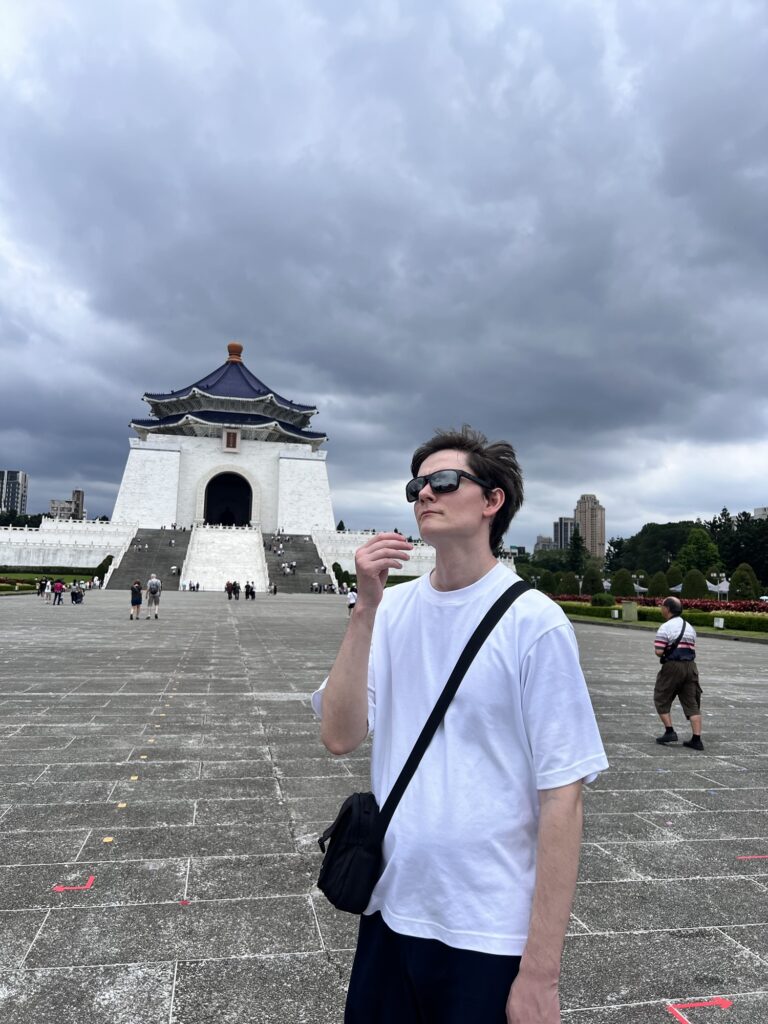
I’ll admit it: I thought I didn’t need to go back to Taipei.
I first visited about 10 years ago, ticked off the major landmarks, and figured I’d “seen it all.” But returning a decade later—after traveling through various socialist, communist, and former dictatorial states—completely shattered my perspective.
This wasn’t just a trip; it was a profound lesson in why “Freedom is not free.” 🇹🇼
📌 In This Article:
• ✅ A New Perspective: Seeing Taiwan through a global lens.
• 🕯️ The 228 Memorial Museum: Remembering the cost of democracy.
• ✊ Unsung Heroes: The stories of Zhu Zhaoyang and Cheng Nan-jung.
• 💂 CKS Memorial Hall: The shift from “Authority” to “Performance.”
• 💡 The Verdict: Why you should never say “I’ve been there.”
📉 Seeing Democracy Through a Different Lens
Ten years ago, I saw Taipei as a friendly tourist destination. But after visiting countries with restricted freedoms, returning to Taiwan felt different. I found myself deeply reflecting on the fragility and preciousness of democracy.
In Taiwan, democracy wasn’t just given; it was fought for. 🗳️✨
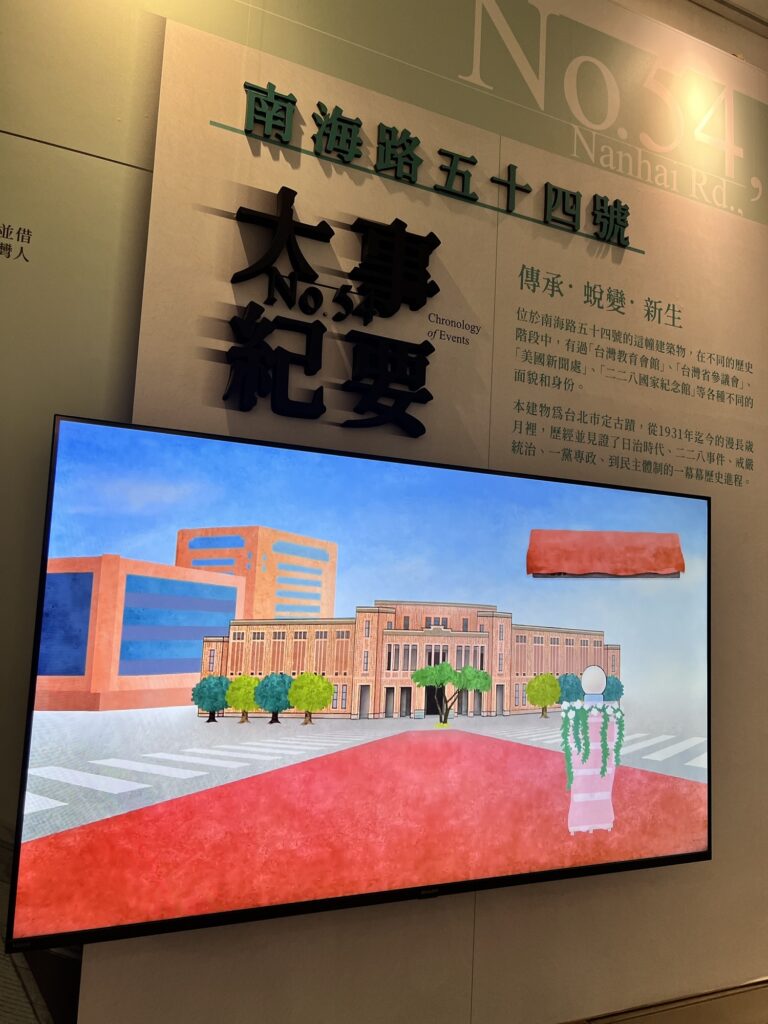
🕯️ The 228 Memorial Museum: Freedom is Not Free
The 228 Memorial Museum is a place I thought I understood, but this time, the stories hit harder.
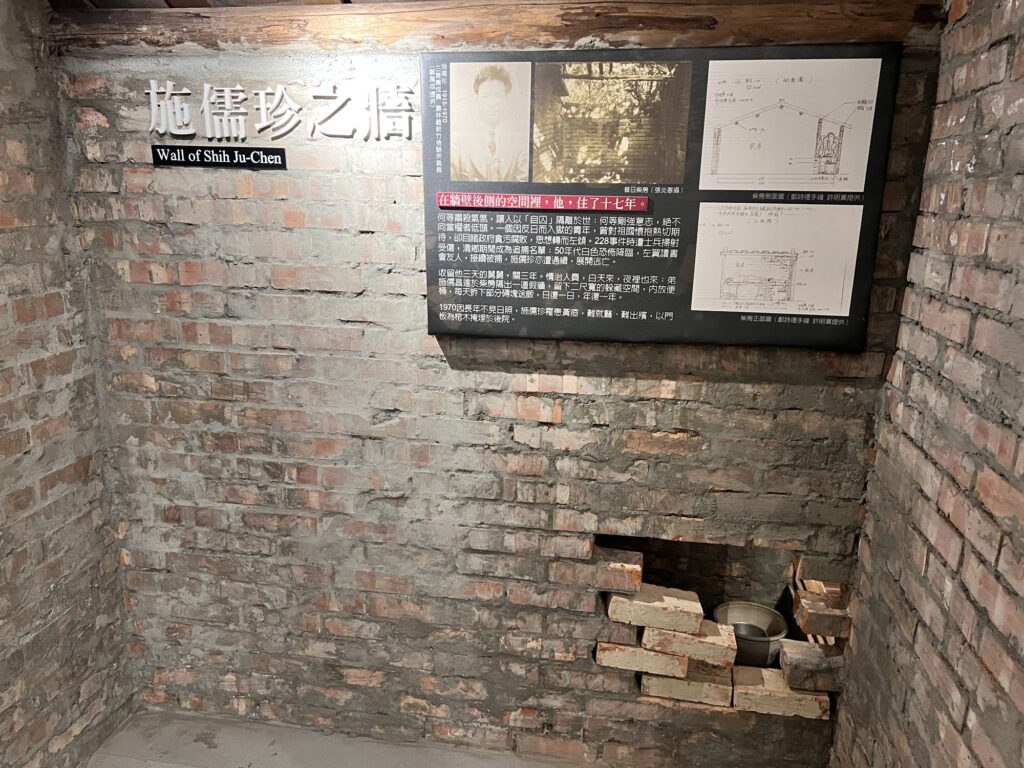
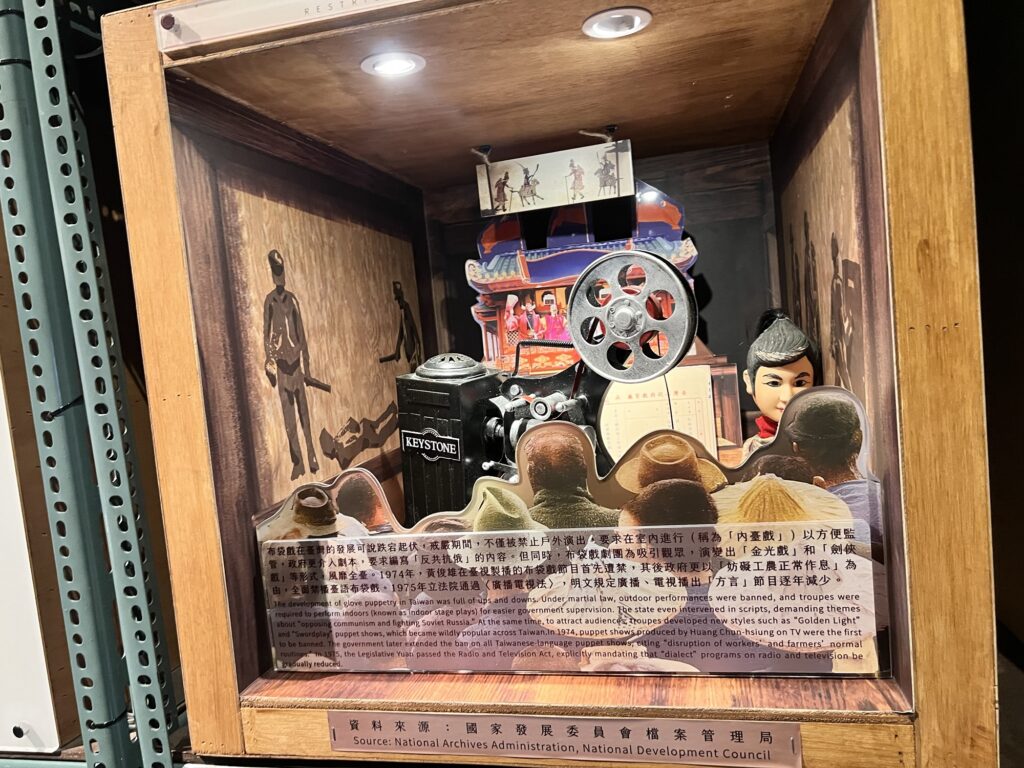
I learned about the painful transition when the “dogs left and the pigs arrived” (a historical metaphor for the transition from Japanese rule to the KMT). Imagine suddenly being forbidden from speaking your language or having your hairstyle strictly regulated.
🌟 The Courage of Individuals
Two stories particularly moved me during my visit:
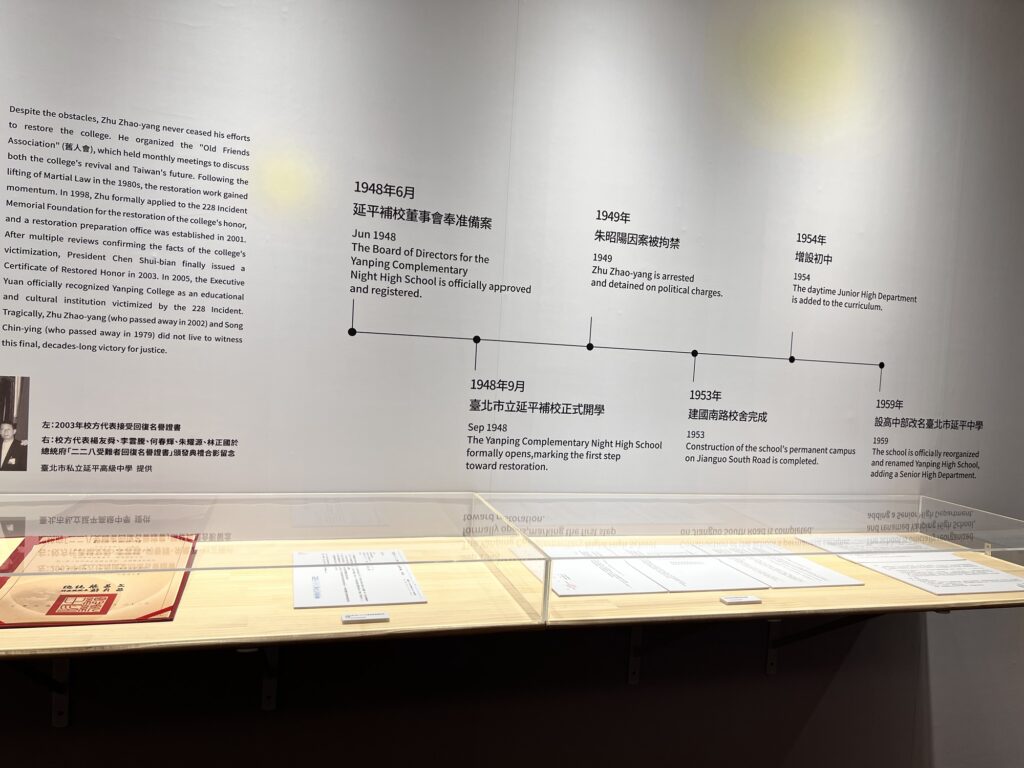
• Zhu Zhaoyang (朱昭陽): Who risked everything to protect schools from being shut down during the 228 Incident.
• Cheng Nan-jung (鄭南榕): A courageous editor who stood up against the “White Terror” and fought for total freedom of speech.
Their courage is the foundation of the Taiwan we see today. It reminded me that the freedom we enjoy is built on layers of past sacrifices. 🕊️
💂 The Changing Face of Chiang Kai-shek Memorial Hall
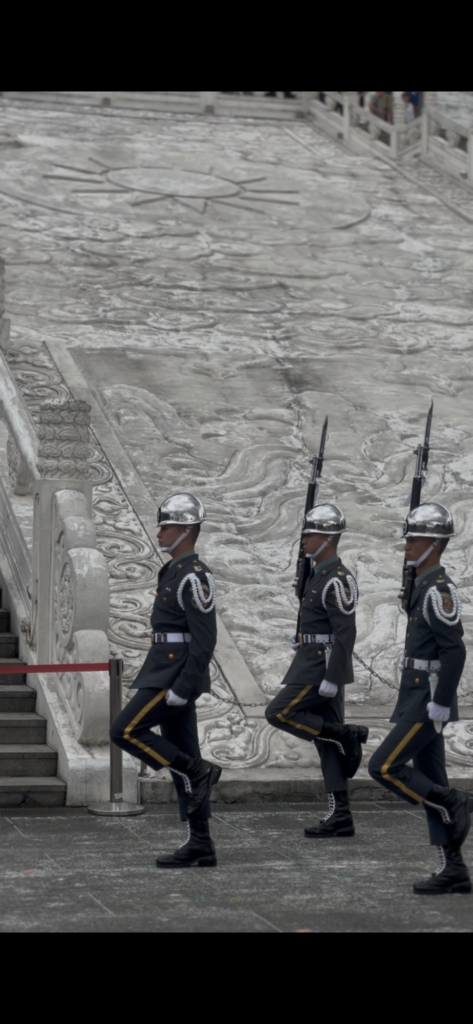
If you haven’t been to the Chiang Kai-shek (CKS) Memorial Hall recently, you’ll notice a major change in the Guard Mounting Ceremony.
10 years ago, the ceremony took place on the 4th floor, right in front of the giant bronze statue of Chiang Kai-shek. Today, it has moved outdoors to the main plaza.
Why the change? 1. Transitional Justice (転型正義): The current government is moving away from “authoritarian worship.” Moving the guards outside transforms the event from a ritual of “personality cult” into a public performance.
2. Accessibility: The outdoor ceremony is now a grander, more visible display for tourists, balancing tradition with modern democratic values. 🏛️🚶♂️
🐕 From “Dogs” to “Pigs”: A Difficult History
The history of Taiwan is a complex one. Moving from Japanese colonial rule to another era of strict control meant that people had to adapt overnight.
• Language: Switching from Japanese to Mandarin suddenly.
• Control: Strict regulations on everything down to daily lifestyle.
Walking through these exhibits now, I realized that Taiwan’s vibrant, open society today is a miracle achieved through persistence.
💡 Final Thoughts: Never Say “I’ve Already Been There”
This trip taught me that a destination doesn’t just change—you change. The person I was 10 years ago didn’t have the context to understand the weight of Taiwan’s history. If I hadn’t gone back, I would have missed the chance to truly appreciate the “Freedom” I often take for granted.
Travel tip: Revisit the places you think you know. You might be surprised by what you find. 🛫🇹🇼
Leave a Reply