When we started planning our Mt. Fuji climb, the choice of route came down to one very practical factor: mountain hut availability. Popular routes like Yoshida fill up within minutes of reservations opening, so we ended up on the quieter, tougher, and — in our opinion — more rewarding Gotemba Trail. Here's why we chose it, what the other three routes look like, and everything we learned about booking a mountain hut in Japan.
📋 Table of Contents
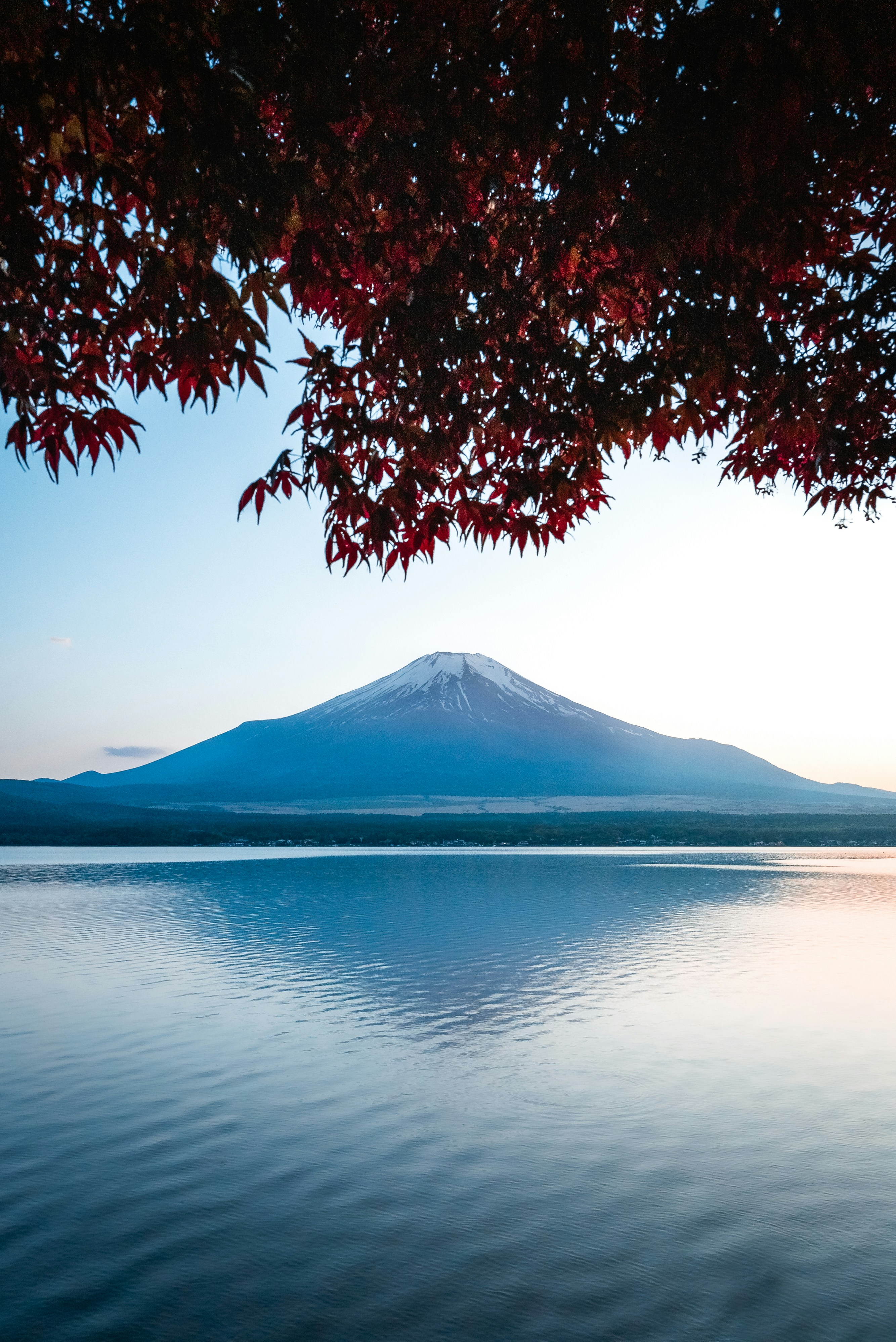
1. The Four Trails of Mt. Fuji
Mt. Fuji has four official climbing routes, each starting from a different "5th Station" (Go-gome) and offering a completely different experience. Before we get to why we picked Gotemba, here's a quick rundown of all four.
2. Yoshida Trail — The Popular Choice
Starting from the Fuji Subaru Line 5th Station at 2,305m, this is the most accessible route — direct buses even run from Shinjuku during summer. That accessibility comes at a cost, though: it's also the most crowded trail on the mountain.
💡 Good for beginners: Yoshida has the highest concentration of large mountain huts (especially around the 7th–8th stations) and first-aid stations at key points, making it the safest pick for first-time climbers.
3. Subashiri Trail — Quiet and Green
Also called the "East Trail," Subashiri starts at around 2,000m. Unusually for Mt. Fuji, you'll see alpine greenery up to roughly 2,700m before the volcanic scree takes over. Climber numbers are much lower here, and the descent runs down "Sunabashiri" — a thrilling straight sand slope where you can practically run downhill through soft, crushed lava.
4. Fujinomiya Trail — Shortest to the Summit
Starting from the highest 5th station of all four routes (about 2,400m), Fujinomiya is the shortest distance to the top — a real "bullet route." Expect steep, relentless climbing and constant Pacific Ocean views at your back. The tradeoff: this route is more prone to altitude sickness due to the fast elevation gain, and since the ascent and descent share the same path, it can get congested at peak times.
5. Gotemba Trail — Our Pick

Starting from Gotemba's new 5th station at just 1,440m, this route has the longest distance and greatest elevation gain of the four — not remotely comparable to the others. Most climbers approach it as a 2-day, 1-night trip, and it demands solid fitness, careful planning, and proper gear.
In exchange, you get varied scenery, a genuinely quiet mountain experience, and the legendary Osunabashiri descent — a massive sand-running slope that experienced climbers rave about. It's also the only route where private cars can drive right up to the trailhead, since the other three restrict private vehicle access.
"体力で勝負!穴場コースに挑戦" — "Test your strength! Take on the hidden-gem route." That's how Japanese hiking guides describe Gotemba — and it's exactly the vibe we were looking for.
6. Why Hut Availability Decided It For Us
Honestly, the deciding factor wasn't the scenery or the sand-running descent — it was mountain hut booking availability. Yoshida's popular huts get reserved within minutes of booking windows opening, and by the time we started planning, most of the well-known huts on that route were already full for our dates.
Gotemba, being the least-crowded route, still had open slots at huts along the trail when we checked. Given that a hut reservation is basically mandatory for a safe overnight climb, this single factor pushed us to choose Gotemba over the more famous alternatives.
7. Mountain Hut Booking Tips
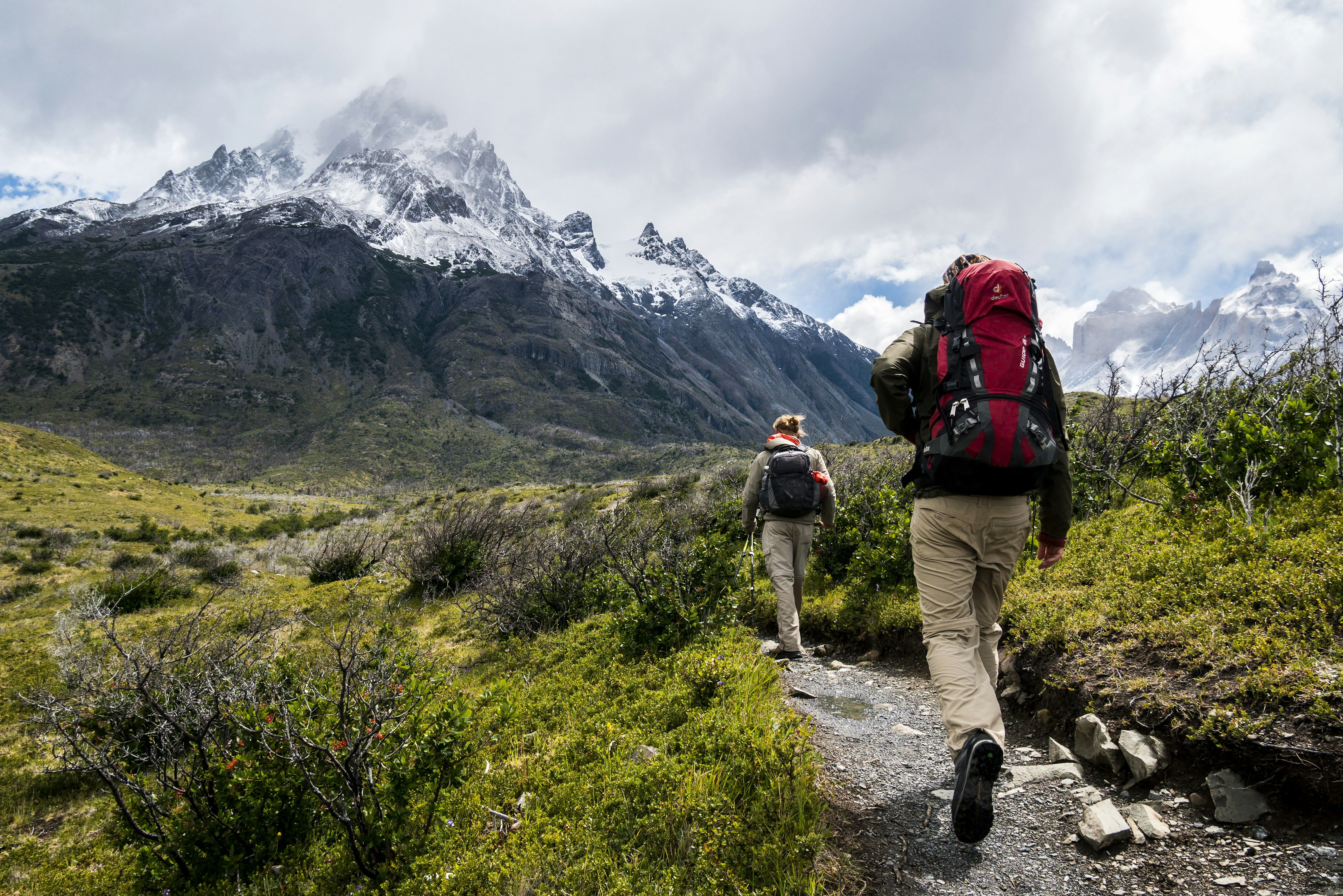
If there's one lesson we'd pass on to anyone planning a Fuji climb, it's this: book the moment your dates are fixed, and read the cancellation policy before you do. Here's what we learned along the way.
📅 Booking Timing
- Most huts open reservations a few months ahead — commonly starting April 1st.
- Golden Week, Obon, and the autumn foliage season are the most competitive booking windows.
- Popular huts can fill up within minutes of booking opening, especially for weekend dates.
☎️ How to Book
- Some huts take phone reservations only; others accept online booking through their own site or platforms like Yamareco.
- If calling, avoid early morning and evening rush — try mid-morning or early afternoon for a better chance of getting through.
- Never hold multiple dates "just in case." Booking several dates to hedge against bad weather causes real problems for hut operators — only book the date you can actually commit to.
⚠️ Cancellation policies vary by hut — and many still charge a cancellation fee even if you cancel due to bad weather or a called-off summit attempt. Always confirm the policy at the time of booking.
🍚 Food & Water
Since supplying huts is logistically difficult, water and amenities are often paid extras — or not available at all. Confirm at booking time whether your stay is "room only" or includes meals (1 or 2 meals), and plan to carry up anything you'll need beyond that.
🛏️ Etiquette Once You Arrive
- Check-in is typically 3:00–4:00 PM. If you'll be late, call ahead.
- Expect shared sleeping quarters — during busy periods, more than one person may share a single futon-width space.
- Bring earplugs and an eye mask. It makes a bigger difference to your sleep quality than you'd expect.
8. Final Thoughts
If you're chasing the fastest summit or the most scenic postcard views, Fujinomiya or Yoshida might suit you better. But if you want a quieter mountain, don't mind the extra distance, and — like us — care most about actually being able to book a hut, the Gotemba Trail is well worth considering, especially for climbers tackling Fuji for a second time or beyond.
Whichever route you choose, lock in your hut reservation the moment your dates are confirmed, double-check the cancellation policy, and pack those earplugs. Good luck, and enjoy the climb! 🗻
Leave a Reply