FUJI CLIMBING PREP GUIDE 2026
What’s actually in my bag
for sunrise on Fuji.
Not a generic checklist copied from a gear shop – this is what I packed, what I used, and what I wish I’d left at home.
Chapter 01
Why this list is different from the others
Most Fuji packing lists read like they were written by someone who’s never actually stood at the fifth station at midnight, half-asleep, watching their breath turn white. This one isn’t that.
Everything below is gear I’ve actually carried up – or gear I’m packing for my next climb, chosen because I know exactly why I need it. No filler items just to pad out a list.
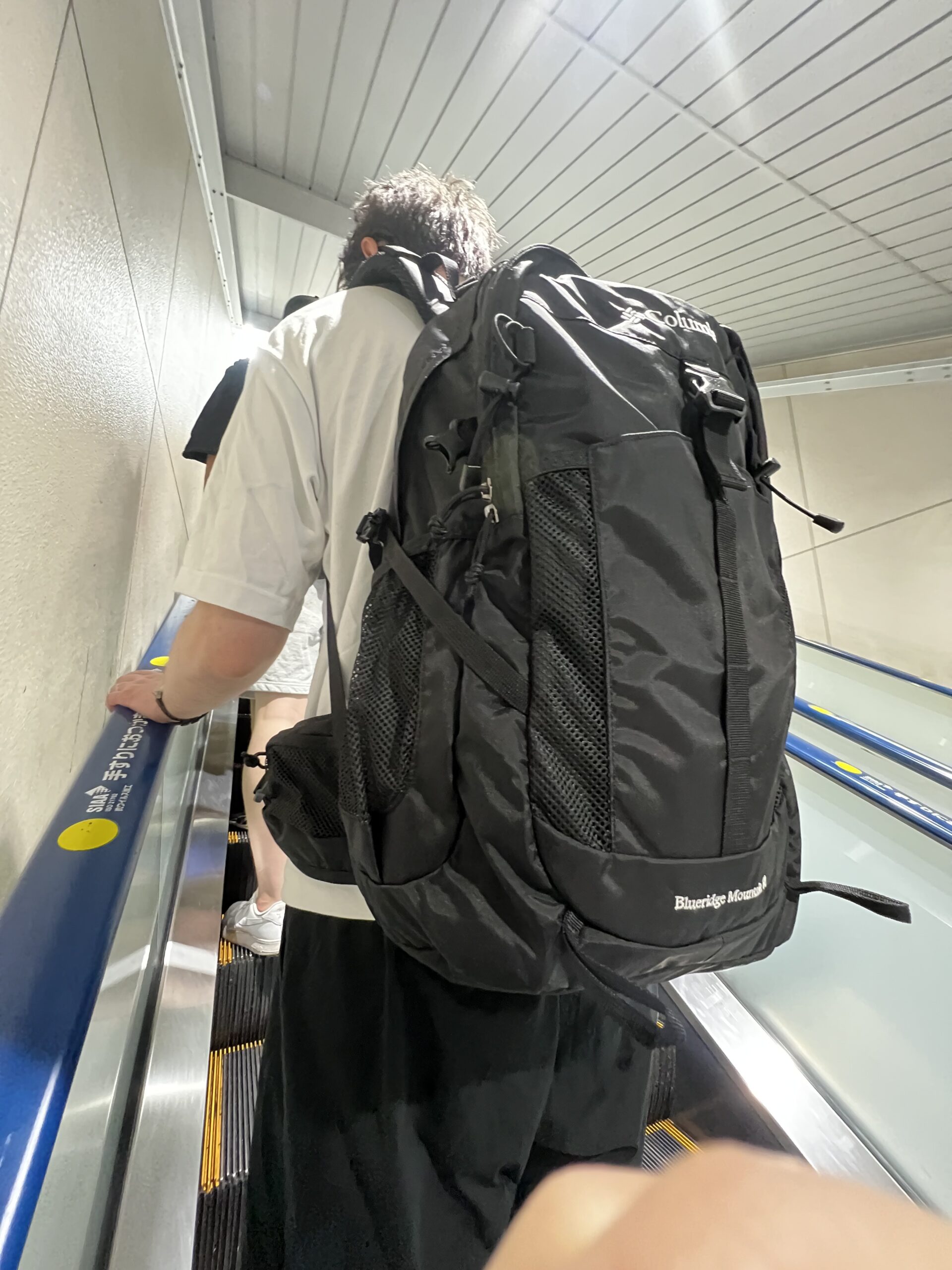
The mountain doesn’t care how prepared you meant to be.
It only cares what’s actually in your bag
when the wind picks up at 3am.
Chapter 02
The gear, in the order I pack it
Starting with the bag itself, then working outward: what goes on my body, what goes in my hands, and what goes in my pocket for the moments an app or a jacket can’t help with.
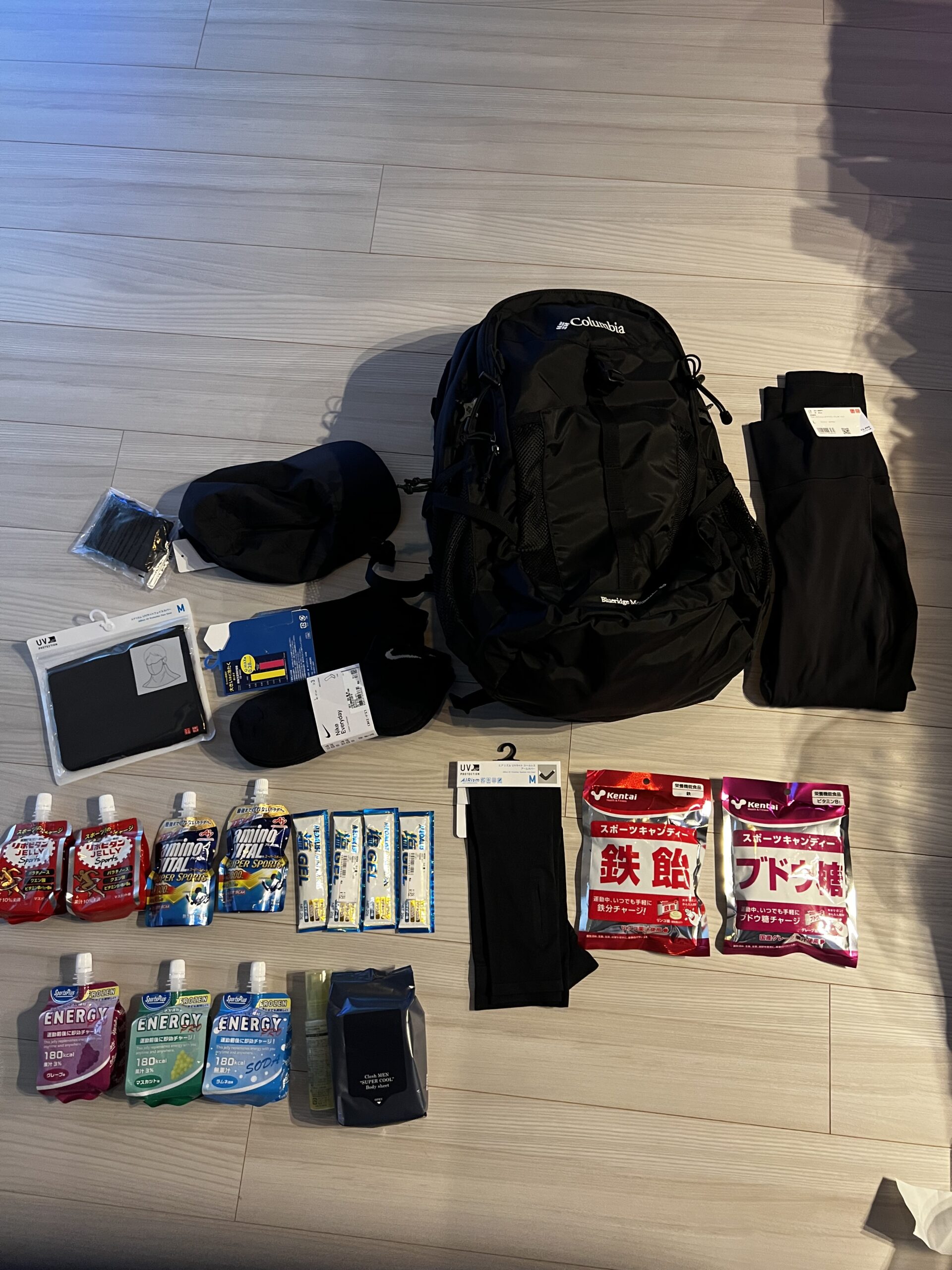
30-35L climbing backpack
Big enough for layers and water, small enough to stay balanced
- Fits a full change of warm layers, 2L of water, food, and a headlamp with room to spare
- A hip belt matters more here than on a day hike – you’ll be wearing this for 6-10 hours
- External straps for a jacket you’ll be taking on and off constantly as the temperature swings
Why this size: Anything smaller and you’re compromising on warm layers. Anything bigger and it starts throwing off your balance on the narrow volcanic-ash switchbacks – I’ve seen people with 45L+ packs struggling to pass on tight sections.
Headlamp (with spare batteries)
A phone flashlight will not get you through this
- Frees both hands for trekking poles and rock scrambles in the dark
- Cold drains batteries fast – pack a spare set, not just a spare charge
- A red-light mode helps preserve night vision and is less disruptive to other climbers
Why it’s non-negotiable: If you’re timing your climb for sunrise, you’re walking through several hours of true darkness on uneven volcanic terrain. This isn’t optional gear – it’s the gear that keeps you from twisting an ankle at 3,200m.
Coins – more than you think you need
Cash-only toilets and vending machines, all the way up
- Mountain hut toilets typically cost 100-300 yen per use
- Huts run on generators and can’t always make change – exact coins save you a very awkward moment
- Vending machines get pricier the higher you climb, and card readers are rare
How much to bring: I keep at least ¥2,000-3,000 in coins and small bills in an easy-access pocket, separate from my main wallet. You do not want to be digging through a packed backpack at a toilet queue.
Packable insulated down jacket
The UNIQLO Ultra Light Down is genuinely enough
- Summit temperatures can sit near freezing before sunrise, even in the height of summer
- Packs down small enough to stuff in a side pocket when you’re sweating on the climb up
- You’ll put it on and take it off repeatedly – go for something that compresses fast
Honest take: You don’t need an expensive mountaineering-grade down jacket for this. I’ve used the UNIQLO Ultra Light Down and it’s more than warm enough layered over a base layer and fleece, at a fraction of the price of technical outdoor brands.
Waterproof rain jacket and pants
This doubles as your windbreaker – it’s not just for rain
- A separate jacket-and-pants set, not a poncho – ponchos catch wind and flap uselessly near the summit
- Doubles as a wind layer on exposed ridgelines even when it’s not raining
- Breathable membrane matters – you’ll be sweating on the way up and freezing at rest stops
Why it matters: Weather on Fuji turns fast. A rain set isn’t just about staying dry – on a windy summit it’s often the layer that keeps you from losing body heat fast enough to matter.
Sun protection: sunscreen, hat, sun sleeves
UV exposure at altitude is no joke, even after a night climb
- UV intensity increases with altitude – the summit gets meaningfully more sun exposure than sea level
- Even a night ascent for sunrise ends in hours of daylight on the descent
- Sun sleeves are easier to manage than reapplying sunscreen constantly with cold hands
What I actually use: A high-SPF sunscreen stick (easier to apply on the move than lotion), a wide-brim or cap-and-neck-flap hat, and UV-cut arm sleeves. Sunburn at altitude sneaks up on you fast, especially on volcanic ash that reflects light back up.
Waterproof gloves
Your hands get cold long before the rest of you does
- Useful for gripping rock on the steeper scramble sections
- Waterproof matters more than warmth alone – wet cold hands lose function fast
- Thin enough that you can still use trekking pole grips and your phone
Why it’s easy to underrate: It’s a small, cheap item that people forget because it doesn’t feel essential at the base. It becomes essential fast once the wind picks up near the eighth station.
Chapter 03
What keeps you moving: food, water, and the small stuff
None of this is glamorous, but running out of any of it partway up is how a good climb turns into a miserable one.
2L of water – no more, no less
Too little risks altitude sickness and dehydration. Too much is dead weight you’re carrying uphill for no reason. 2L is the number that actually works for most people on a one-day-plus-hut climb.
Energy food you’ll actually eat at 3am
Energy gels, salt candy, and a couple of easy-to-chew snack bars. Most people’s legs give out on the descent, not the ascent – don’t underestimate how much fuel a long descent burns too.
A portable battery, kept warm
Cold drains phone batteries fast, and your phone is doing a lot of work – GPS, camera, emergency contact. Keep the power bank in an inner pocket close to your body, not in an outer mesh pocket exposed to the cold.
Quick reference
The full list, at a glance
Before you fly out
Don’t lose money on currency exchange at the airport
Between gear shopping and mountain hut cash payments, a trip like this touches a lot of yen. A Wise multi-currency card lets you spend and withdraw at the real mid-market rate, so more of your budget goes toward the climb and less toward exchange fees.
Get a Wise account before your trip →FAQ
Frequently asked questions
Why do I need coins for climbing Mount Fuji?
Mountain hut toilets on Fuji typically charge 100-300 yen per use, and most only accept cash – often exact coins, since huts running on generators may not always have change. Vending machines on the mountain are cash-only too, and prices climb the higher you go.
How cold does it get on Mount Fuji, even in summer?
Summit temperatures can drop close to freezing even during the official summer climbing season, especially before sunrise. Wind chill makes it feel colder still. A packable insulated layer is essential no matter how hot it is at the base.
What size backpack do I need for a Fuji sunrise climb?
A 30-35 liter pack is the sweet spot for a one- to two-day climb with a hut stay. Big enough for layers, water, food, and a headlamp, without being so large it throws off your balance on narrow volcanic-ash switchbacks.
Do I really need sun protection if I’m climbing at night for sunrise?
Yes. Even a night ascent usually ends with hours of daylight on the way down, and UV exposure is significantly stronger at altitude than at sea level. Sunscreen, a hat, and sun sleeves matter as much on the descent as anything you pack for the climb up.
Chapter 05
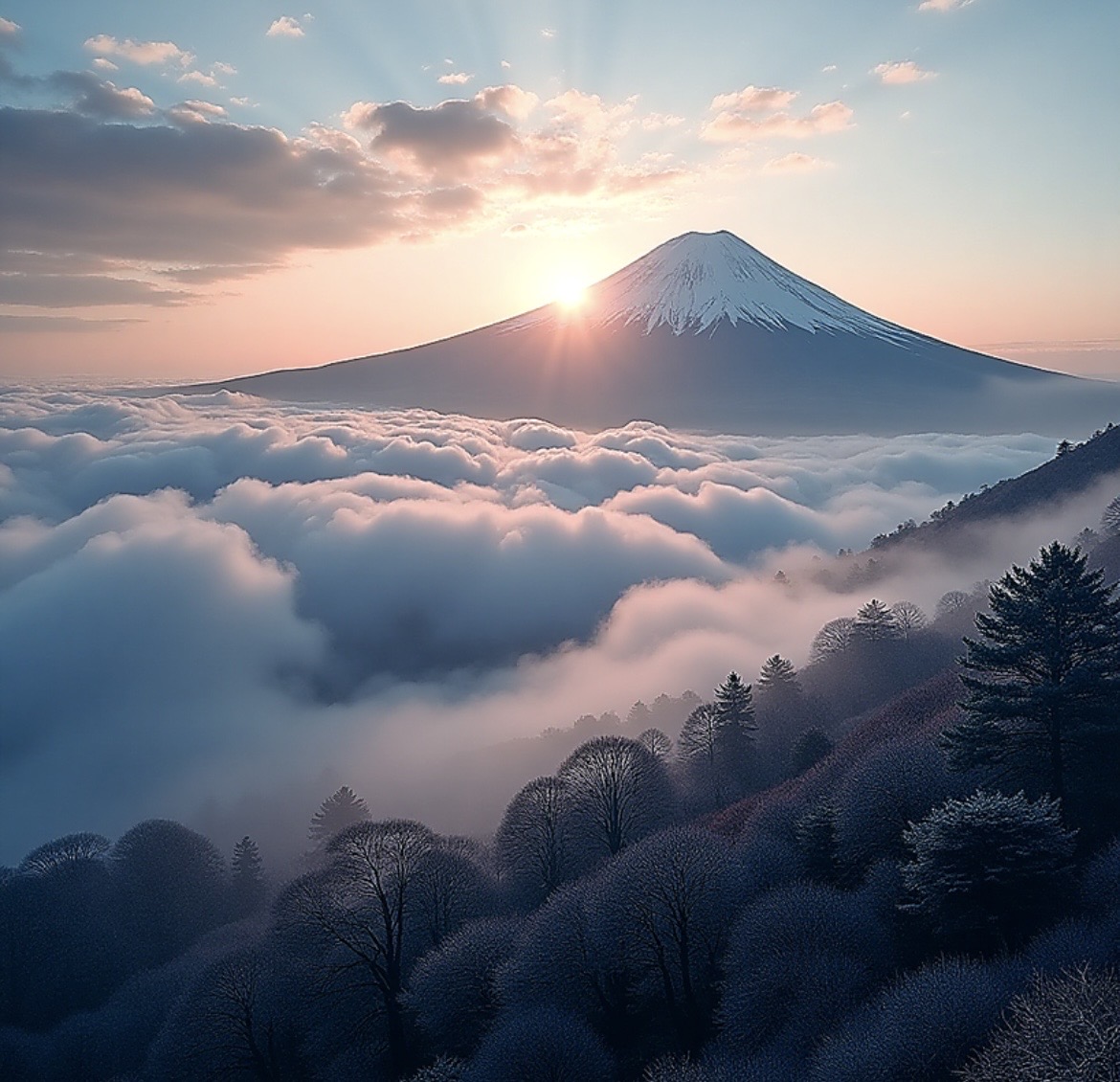
Pack light, pack right, and let the mountain do the rest
None of this gear is exotic. A solid 30L pack, a headlamp, coins in your pocket, a packable down jacket, rain gear, sun protection, and enough food and water to keep moving. What matters is having it all ready the night before, not scrambling for it at the fifth station parking lot.
Combine this with the app kit from my other Fuji guide, and you’ve covered both the information side and the physical side of a safe climb. See you at the summit.
Leave a Reply